 2301 S Broadway Ave A6 Tyler, TX 75701




How to Sell Gold Bars and Gold Coins in Tyler, TX: What Buyers Check First
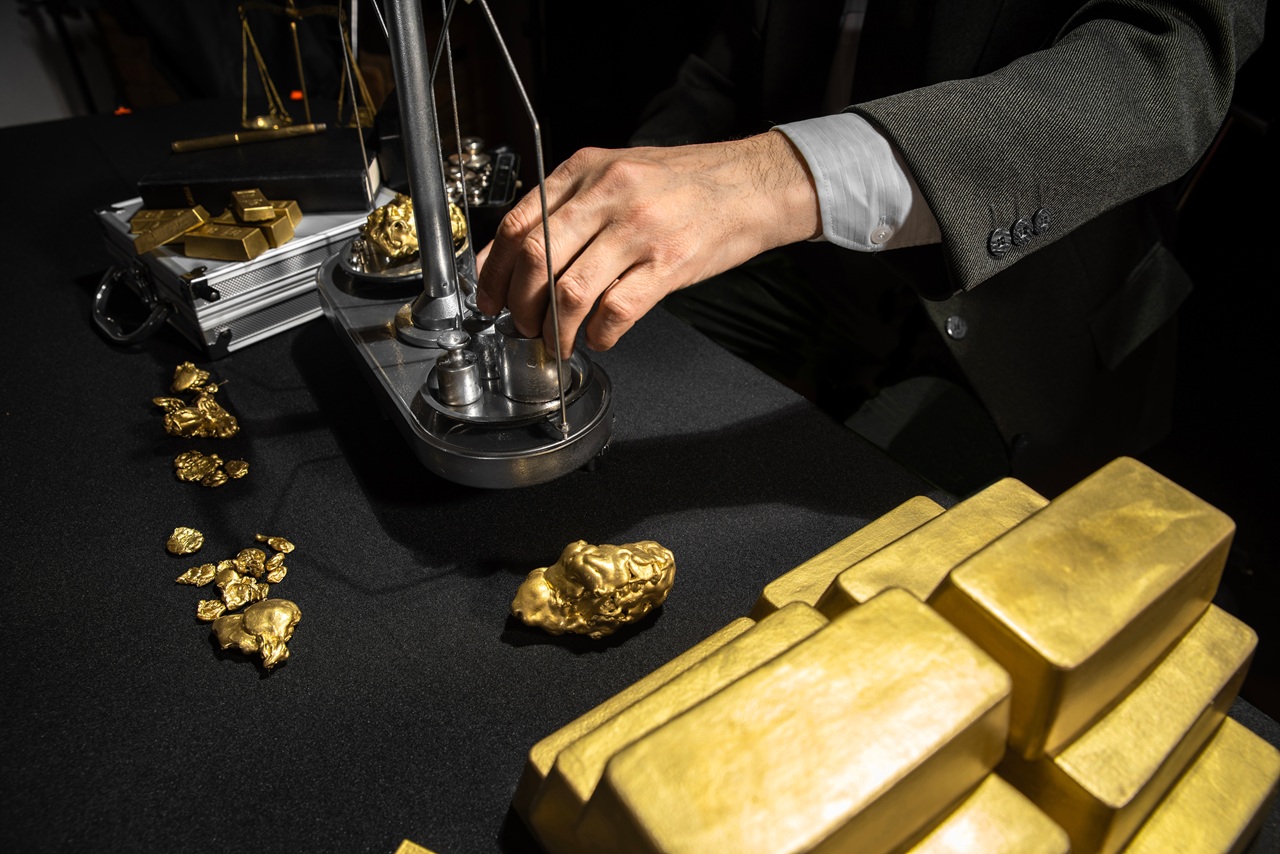
To sell gold bars and gold coins in Tyler, bring them with a valid government-issued photo ID to a licensed buyer who verifies four things before naming a number: what the piece is, what it weighs, what it is made of, and what the live gold spot price says that metal is worth. At Tyler Gold & Bullion, we are licensed by the Texas Office of Consumer Credit Commissioner (OCCC) as a certified precious metal buyer, our scales are certified by the Texas Department of Agriculture, and our GIA-certified appraisers run every check on the counter in front of you. Tyler residents rate us 4.9 stars on Google and recognize us on Yelp.
This guide explains what buyers check, why an honest offer can still land below what you paid, what you can verify at home, and how the sale works from ID check to payment.
Why Selling Gold Bars and Gold Coins Takes More Care Than Selling Jewelry
Bullion has no design, wear, or brand story to negotiate over, so the whole sale rests on two questions: is this piece genuine, and how was the offer calculated? A seller who cannot get a clear answer to either one leaves unsure whether the price was fair.
Counterfeit bars and coins exist, which is why careful buyers verify before they pay. That caution is not an accusation. It is the same check you would want applied to anything you bought.
What Causes Confusion or a Lower-Than-Expected Offer
- The spread: bullion is usually sold at spot plus a premium and bought back at spot less a margin, so the buy and sell prices are never identical at any dealer.
- Units: one troy ounce is 31.1 grams, not the 28.35 grams of an everyday ounce, so a kitchen-scale reading can mislead.
- Alloy weight: a one-ounce American Gold Eagle contains one troy ounce of gold, but the coin is 22-karat, so it weighs a little more than a troy ounce. Only the gold content is priced.
- Missing context: sealed packaging, serial numbers, and assay cards help a buyer identify a piece. When they are missing, the buyer relies on testing and measurement alone.
- Overlooked collector value: older and certified gold coins can carry value above their gold content. A buyer who only weighs them misses it, and a seller who assumes it may be disappointed.
Warning Signs When You Sell Gold Bars or Coins
- A price quoted by phone without seeing, testing, or weighing the piece.
- Testing or weighing that happens out of your sight.
- One number with no explanation of gold content, spot price, and margin.
- “Today only” pressure to accept.
- A bullion coin dismissed as scrap, or a collectible coin priced as plain bullion without a look at the date and mint mark.
- No ID check and no receipt. Texas law requires ID for precious metal purchases from the public, and a receipt documents the sale.
Our checklists on verifying that a gold buyer is legitimate and what to look for in a trusted gold and silver buyer take about five minutes and apply to bullion sales too.
What You Can Check at Home vs What Needs Professional Testing
You can check at home | Needs a professional |
|---|---|
Read the refiner or mint name, stated weight, and purity stamp | Confirm metal composition with XRF, without cutting or scratching |
Weigh on a kitchen scale in grams and compare with the stated weight (one troy ounce is 31.1 grams) | Confirm weight on a Texas Department of Agriculture certified scale |
Compare size and design with the maker's published specifications | Catch plated or base-metal-core fakes that look right on the outside |
Match any serial number to the packaging | Judge whether an assay card or sealed package is genuine |
Check the day's spot price | Apply live spot, confirmed content, and margin to your exact piece |
Leave coins in their capsules and do not clean them | Identify collector value and grading status |
Skip acid kits, cutting, drilling, and scratching. They can damage a piece and lower its value. Our guide to testing whether your gold is real at home covers the low-risk checks.
What Buyers Check First: Six Checks in Order
A careful evaluation runs the same checks in the same order. Skipping one is how counterfeits slip through and how sellers end up with offers they cannot verify.
Check | What the buyer looks at | Why it matters |
|---|---|---|
1. Markings and design | Refiner or mint name, stated weight, purity stamp, serial number on many bars, year and design on coins | Identifies the piece so it can be compared with the maker's published specifications |
2. Weight | Certified scale reading against the stated weight | A piece that weighs noticeably more or less than it should is a reason to look closer |
3. Dimensions and surface | Thickness, diameter, edge, finish, signs of tampering | Plated base-metal fakes often miss on size or surface detail |
4. Metal composition | Thermo-Fisher XRF reading, taken without cutting or scratching | Confirms gold content from the surface layer |
5. Packaging and paperwork | Sealed assay card, mint capsule, original box, receipt | Useful context, never required |
6. Collector status | Date, mint mark, certification, rarity | Separates coins valued on gold content from coins with extra collector value |
XRF is not the whole check. It reads the surface of a piece, so a careful buyer also confirms that weight and dimensions match the maker’s specifications. A bar that tests as gold on the surface but weighs wrong is exactly the case that cross-checking exists to catch.
Gold Bars, Bullion Coins, and Collectible Gold Coins Are Valued Differently
Gold Bars
Bars are valued on confirmed gold content at the live spot price. Common sizes run from a single gram up to a kilogram, and purity is typically .999 or higher. Many bars carry serial numbers, and small bars often come sealed in an assay card, but a bar can be sold without either.
Bullion Coins
American Gold Eagles, Canadian Gold Maple Leafs, and South African Krugerrands are the coins sellers bring in most. Eagles and Krugerrands are 22-karat coins sized to hold one troy ounce of gold, while modern Maple Leafs are .9999 fine. Each comes in fractional sizes, valued the same way scaled down.
The U.S. Mint and the Royal Canadian Mint publish the specifications for their coins, which is what a buyer compares your coin against.
Collectible and Older Gold Coins
Older U.S. gold coins, certified coins in grading holders, and rare dates can carry a premium above gold content. Our appraisers check both numbers and explain which applies. See our collectible coins for the coin types we evaluate, and how coin shops and gold buyers handle collectible coins for the difference in approach.
How Your Offer Is Built From the Gold Spot Price
Every bullion offer starts with spot, the live market price of one troy ounce of pure gold, which you can check yourself through the World Gold Council. The buyer multiplies the confirmed gold content by that price, then applies a margin for refining and handling.
You should see every piece of that calculation. Our guide to how the gold spot price becomes your payout walks through the formula in full.
Why the Offer Can Land Below What You Paid
Retail and resale are different prices. A dealer that sold you a bar at spot plus a premium will buy it back at spot less a margin, and that gap is how every dealer covers costs. It does not mean your gold lost value.
If you are deciding whether to sell at all, our guide on whether to sell or hold your gold can help you weigh it. If you also want to buy, where to buy gold and silver in Tyler and how buyback works covers the buying side.
Have gold bars or coins to evaluate? Tyler Gold & Bullion tests and weighs them on the counter at no charge. Call 903-522-4149 or walk in Monday through Friday, 10am to 4pm.
How to Prepare Before You Sell Gold Bars or Coins
- Bring a valid government-issued photo ID. It is required for every precious metal transaction in Texas.
- Leave pieces in their original packaging, capsules, or assay cards. Do not cut open sealed packaging.
- Do not clean, polish, or handle coin surfaces. Cleaning coins before selling can reduce collector value.
- Gather any receipts, certificates, or original boxes. They help but are not required.
- Write down what you have: sizes, weights, and years. It makes the evaluation easier to follow.
- Check the day’s spot price so the numbers make sense. Our precious metals preparation guide covers every item type.
What the Sale Looks Like at Tyler Gold & Bullion
- You show your ID at the counter. Walk-ins are welcome Monday through Friday, 10am to 4pm.
- Your pieces stay on the counter for the entire visit. There is no back room.
- The appraiser identifies each piece and compares it with the maker’s specifications.
- Thermo-Fisher XRF confirms the composition, and a certified scale records the weight. You see both readings.
- The appraiser explains the calculation: confirmed gold content, live spot price, and margin.
- You receive the offer and as much time as you need to decide.
- If you accept, payment is made the same day by cash, check, or bank transfer, and you receive a receipt.
Bullion bought elsewhere is evaluated the same way as bullion bought from us. For silver bars and rounds, see the silver bullion selling process, and for everything else we evaluate, see our products we buy page.
Selling Gold Bullion in Tyler and Across East Texas
Texas regulates precious metal buyers, and the rules protect you as a seller: the buyer holds a state license, weighs on certified scales, verifies your ID, and documents the sale.
Sellers from Smith County and across East Texas bring bullion to a single counter instead of mailing it. Your bars and coins never leave your hands until you accept an offer, and payment is the same day. For a closer look at that trade-off, see why local gold buyers offer more personalized service than online retailers.
When to Call Tyler Gold & Bullion
Call 903-522-4149 before you drive over if you are bringing more than a handful of pieces, if you are unsure what you have, or if a coin might be collectible. Walk-ins are welcome Monday through Friday, 10am to 4pm, and every evaluation is free with no obligation to sell.
Why Tyler Residents Choose Tyler Gold & Bullion for Gold Bars and Coins
What We Offer | What It Means for You |
|---|---|
Certified precious metal buyer operating under state oversight on every bar and coin purchase | |
Weights confirmed on state-certified equipment and shown to you at the counter | |
Trained evaluators who check gold content and collector value in the same visit | |
Thermo-Fisher XRF technology | Non-destructive metal testing, paired with weight and dimension cross-checks |
Bars, bullion coins, and older gold coins | One visit covers every kind of gold bullion you own |
Calculation shown line by line | Gold content, live spot price, and margin explained before you decide |
Same-day payment | Cash, check, or bank transfer the moment you accept, with a receipt |
A permanent local counter with real community accountability | |
Earned from Tyler residents, and also recognized on Yelp. |
Frequently Asked Questions About Selling Gold Bars and Gold Coins in Tyler, TX
Who buys gold bars and gold coins near me in Tyler, TX?
Licensed precious metal buyers do, and Tyler Gold & Bullion buys gold bars, rounds, and bullion coins at 2301 S Broadway Ave A6 in Tyler. Walk-ins are welcome Monday through Friday, 10am to 4pm, and the evaluation is free. Directions and hours are on our contact us page.
What do buyers check first when I sell a gold bar?
Markings, weight, dimensions, and metal composition, in that order. The buyer reads the refiner name, stated weight, and purity stamp, confirms the weight on a certified scale, compares size and finish with the maker’s specifications, and tests the metal with XRF. Packaging and paperwork add context but are not required.
Do I need the original packaging or assay card to sell a gold bar?
No. Original packaging and assay cards help the buyer identify the piece, but a bar is identified, weighed, and tested on its own. Do not cut open sealed packaging before your visit.
Which gold coins does Tyler Gold & Bullion buy?
American Gold Eagles, Canadian Gold Maple Leafs, South African Krugerrands, and other recognized bullion coins, in full-ounce and fractional sizes, plus older U.S. gold coins and certified coins. Each is evaluated for gold content and, where it applies, collector value.
Is a gold coin worth more than the gold it contains?
Sometimes. A bullion coin such as an American Gold Eagle is valued mainly on its gold content. Older, rare, or certified coins can carry a collector premium above that, depending on date, condition, and demand. Our appraisers evaluate both and tell you which one applies.
How is my gold bar or coin priced?
Confirmed gold content multiplied by the live gold spot price, less a margin that covers refining and handling. You see each element before you decide. For how bullion differs from jewelry, see selling gold jewelry vs. bullion.
Why is the offer lower than what I paid for my bullion?
Dealers typically sell bullion at spot plus a premium and buy it back at spot less a margin. The gap exists at every dealer and does not mean your gold lost value. Ask any buyer to show the spot price, the metal content, and the margin as separate items.
What if I do not know the purity or weight of my gold bar?
Bring it in as it is. Weight is measured on a certified scale and purity is confirmed by testing, so you do not need either number in advance.
Can I sell fractional gold coins or very small gold bars?
Yes. There is no minimum size, weight, or quantity for a free evaluation. Fractional coins and small bars are valued the same way as larger pieces, scaled to their gold content.
Do you buy gold bullion that I bought online or from another dealer?
Yes. Where the bar or coin was purchased does not affect whether we buy it. The evaluation depends on what the piece is, what it weighs, and what it contains.
How can I tell if a gold bar or coin might be fake?
Warning signs include a weight or size that does not match the maker’s specifications, mismatched or poorly struck markings, and an unusual surface or edge. Because XRF reads the surface, weight and dimension checks matter too. Do not drill, cut, or scratch the piece; bring it in for a free evaluation instead.
Should I take my coin out of its capsule or holder before selling?
No. Leave coins in their capsules, flips, or grading holders. Removing a certified coin from its holder ends the certification, and handling coin surfaces can reduce collector value.
What ID do I need to sell gold bars and coins?
A valid government-issued photo ID, such as a driver’s license, state ID, or passport. Texas law requires ID for precious metal purchases from the public, and it is recorded with your transaction.
How long does it take to sell gold bars or coins?
A single bar or coin typically takes 10 to 15 minutes from ID check to payment, and a typical group of pieces takes 20 to 30 minutes. If you are bringing a sizable quantity, call ahead so we can set aside time. Our gold and silver exchange visit walkthrough shows each step.
How do I get paid, and does the evaluation cost anything?
The evaluation is free and carries no obligation. If you accept the offer, payment is made immediately by cash, check, or bank transfer, and you receive a receipt.
Get Your Gold Bars and Coins Evaluated Today
Visit Tyler Gold & Bullion at 2301 S Broadway Ave A6 in Tyler, TX to have your gold bars and coins tested, weighed, and priced in front of you. Our OCCC-licensed, GIA-certified team has earned 4.9 stars on Google from Tyler residents. Call 903-522-4149 or walk in Monday through Friday, 10am to 4pm, and learn how our counter works on our gold exchange.