 2301 S Broadway Ave A6 Tyler, TX 75701




Gold Price Today vs Your Actual Payout: What Tyler Sellers Need to Know
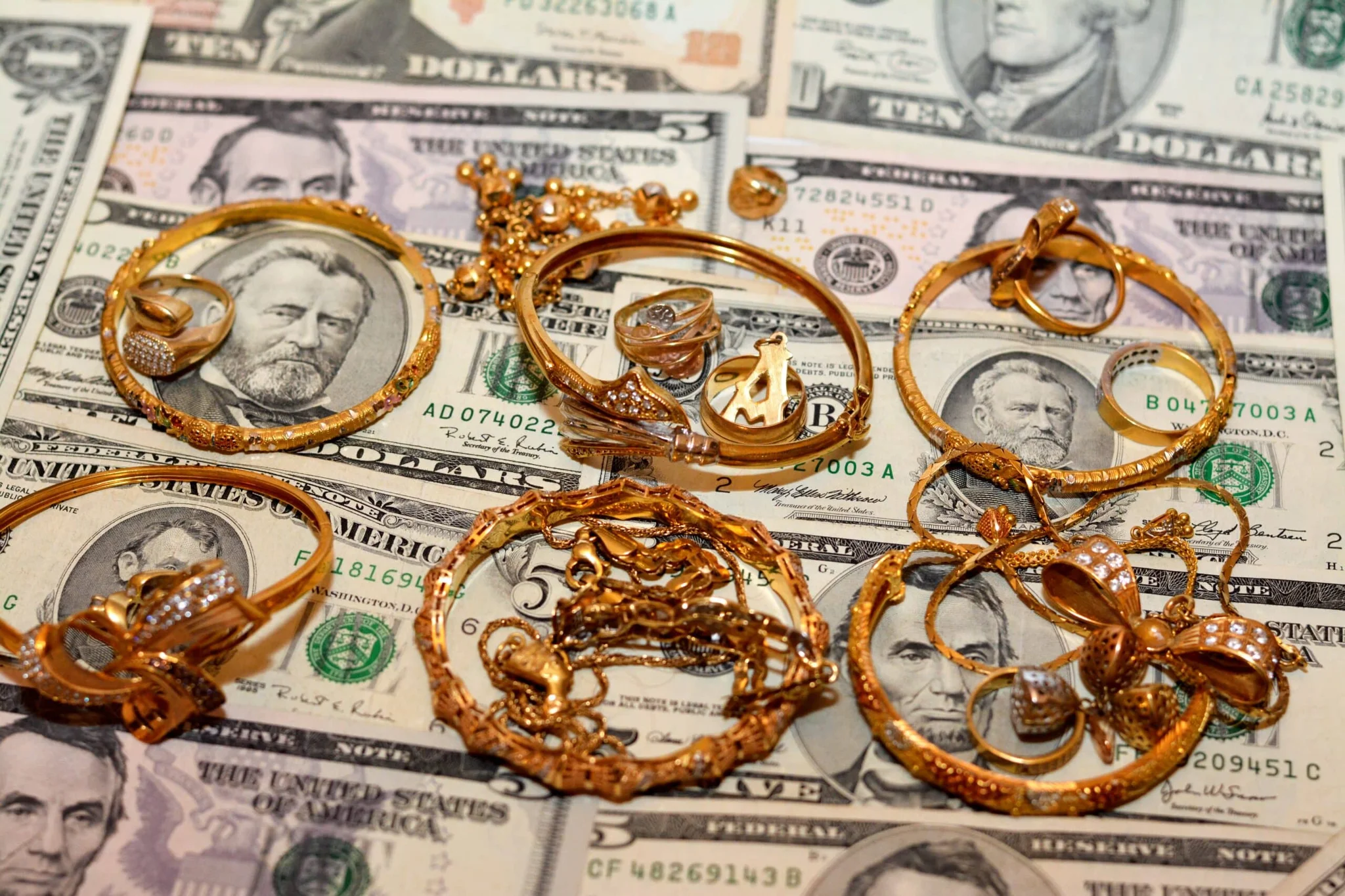
Seeing headlines that say gold is trading at over two thousand dollars per ounce and then receiving an offer that feels lower than expected can be confusing if you don’t understand how gold pricing works. The spot price and your actual payout are two different numbers, and the gap between them is not a sign of a dishonest buyer. It is the result of several specific, legitimate factors that every seller in Tyler should understand before walking into an appraisal.
At Tyler Gold & Bullion, we are licensed by the Texas Office of Consumer Credit Commissioner (OCCC) as a certified precious metal buyer. Our scales are certified by the Texas Department of Agriculture, and our experienced buyers use Thermo-Fisher XRF technology to verify every item accurately. Tyler residents rate us 4.9 stars on Google and we are members of the Tyler Chamber of Commerce. Every offer at our Tyler location is calculated transparently in front of you and explained step by step before you make any decision.
The Real Problem: Spot Price Confusion Costs Tyler Sellers Money
The gap between what sellers expect based on online gold prices and what they actually receive is one of the most common friction points in gold transactions. It leads some Tyler residents to distrust entirely fair offers. It causes others to delay selling indefinitely while waiting for a “better price” that may already be a fair market offer. And it leads some sellers to accept poor terms from buyers who benefit from that confusion.
The confusion is understandable. Gold prices appear everywhere online. They are quoted in the news, on finance apps, and on price-tracking websites. What those sources do not explain is that the number they show is the international commodity spot price, a wholesale benchmark for professional traders, not the retail transaction price a seller receives for a 14K gold ring.
Our blog on whether to sell or hold your gold explores the timing question in more depth, but understanding the math behind your payout is the first step to making any informed decision.
What Causes the Spot Price vs Payout Gap
Four specific factors create the difference between the spot price you see online and the offer you receive from a gold buyer in Tyler. Each one applies to every gold transaction, regardless of the buyer.
- Most gold jewelry is not pure gold. A 14K ring is 58.3% gold. The spot price applies only to the actual gold content, not the total weight.
- Spot price reflects pure gold on a commodity exchange. Your item contains alloy metals like copper and silver mixed into the gold, which reduces the per-gram calculation.
- Refining costs are real. Buyers send your gold to a refinery to recover the pure metal. Refineries charge a processing fee, typically 2 to 5 percent of gold content.
- Buyers operate businesses. A margin covers staff, equipment, facilities, and the cost of capital tied up in purchasing before a refinery payment arrives.
How Your Gold’s Value Is Actually Calculated in Tyler
Step 1: Karat Determines Purity
24K gold is 99.9% pure gold. 18K is 75% gold. 14K is 58.3% gold. 10K is 41.7% gold. When a buyer evaluates your item, they first determine how much actual gold is present. A 14K ring is not being valued as if it were pure gold. The spot price applies only to the gold portion of the item’s total weight. You can read more about how this applies across item types on our blog on selling gold jewelry vs bullion.
Step 2: Weight Determines Gold Content
The total gram weight of your item multiplied by the purity percentage produces the pure gold weight. A 5-gram 14K ring contains 2.915 grams of pure gold, not 5 grams. This calculation applies to every gold item, whether it is jewelry, bullion, or scrap. Our what we do page explains how we weigh items on Texas Department of Agriculture certified scales during every evaluation.
Step 3: Spot Price Sets the Calculation Baseline
Gold is measured internationally in troy ounces, where one troy ounce equals 31.1 grams. The World Gold Council publishes daily gold price benchmarks used by buyers and refineries worldwide. If gold is trading at $2,000 per troy ounce, that translates to approximately $64.30 per gram of pure gold. That per-gram figure applies to the pure gold content calculated in Step 2, not the total weight of your item.
Step 4: Buyer Margin Produces the Offer
From the calculated pure gold value, the buyer applies their operating margin. Legitimate specialized gold buyers in Tyler typically offer 70 to 85 percent of the refined gold value. This percentage covers refining fees, business operations, and the time between purchasing and receiving refinery payment. A pawn shop typically offers 40 to 60 percent because they operate across many product categories and require wider margins. Our blog on local buyers versus pawn shops covers this difference in detail.
A Concrete Example: What a 14K Gold Ring Is Actually Worth
Suppose you have a 14K gold ring weighing 5 grams and gold is currently trading at $2,000 per troy ounce ($64.30 per gram). Here is how the calculation works in practice:
- 5 grams total weight multiplied by 0.583 (14K purity) equals 2.915 grams of pure gold content.
- 2.915 grams multiplied by $64.30 per gram equals $187.43 in pure gold value at spot.
- A fair buyer paying 80 percent of refined value makes an offer around $149 to $155 after accounting for refining costs.
If you saw $2,000 per ounce online and expected roughly $325 for a 5-gram ring (which would assume the ring is pure gold), the math above explains where that expectation breaks down. The calculation is not a sign of a low offer. It is accurate math applied to what the item actually contains. Our blog on tips for getting top dollar when selling gold in Tyler explains what sellers can do to maximize their results within this framework.
How Silver Pricing Works the Same Way for Tyler Silver Sellers
Silver pricing follows the identical framework. The spot price you see quoted for silver per troy ounce applies to pure silver content after the purity factor is applied. Sterling silver is 92.5% silver. Pre-1965 U.S. coins are 90% silver. Silver bullion rounds and bars are typically 99.9% silver.
For silver items, weight times purity percentage produces pure silver content. That content times the current spot price produces the raw silver value. The buyer’s offer represents a fair percentage of that value after refining costs and margin. The math is the same. Only the purity percentages and per-gram numbers change.
Visit our products we buy page to see how silver jewelry, bullion, and coins are all evaluated using this same framework.
Should You Wait for Gold Prices to Rise Before Selling in Tyler?
Most Tyler sellers spend more energy waiting for the right gold price moment than the potential gain justifies. If gold rises $100 per troy ounce from its current level, that gain on a typical 5-gram 14K ring amounts to roughly $9 to $10 more on your offer. Waiting months for that marginal gain while prices might also decline rarely represents a sound trade of time and certainty for a small expected upside.
Gold prices do fluctuate, and sellers should monitor them through reliable sources like the World Gold Council rather than speculative forecasts. But in practice, finding a buyer who offers a fair percentage of spot consistently delivers more value than timing the market precisely. A buyer offering 80 percent at today’s price beats a buyer offering 60 percent at a 10 percent higher price.
If you are weighing this decision carefully, our guide on whether to sell or hold your gold walks through the factors that actually matter for Tyler sellers in different situations.
Why Gold Pricing Matters Specifically for Tyler, TX Sellers
Tyler is home to an active gold and precious metals market. Estate sales, antique dealers, and private sellers across Smith County and East Texas represent a significant volume of gold transactions each year. In this market, sellers who understand the pricing math are better protected against buyers who benefit from pricing confusion.
When you visit a buyer in Tyler and ask them to show you the calculation, a legitimate buyer will do so immediately. You will see the karat factor applied, the weight confirmed on certified scales, the spot price used (which you can verify independently), and the payout percentage applied. If a buyer cannot or will not show you this calculation, that is a reason to visit a different buyer.
Why Tyler Residents Choose Tyler Gold & Bullion for Transparent Gold Transactions
| What We Offer | What It Means for You |
|---|---|
| Licensed by the Texas OCCC | You work with a state-regulated, certified precious metal buyer |
| Texas Dept. of Agriculture certified scales | Every weight is confirmed on state-verified equipment |
| Experienced buyers | Professional expertise on karat, purity, and current market value |
| Full calculation transparency | You see karat factor, weight, spot price, and margin applied in front of you |
| Live spot price used daily | Offers reflect current market conditions, not outdated pricing |
| Same-day payment | Cash, check, or bank transfer immediately after accepting an offer |
| No pressure process | You leave with information whether you sell or not |
| Rated 4.9 stars on Google | 4.9-star rating earned from Tyler residents who recognized our fair, transparent approach |
FAQs About Gold Pricing and Payouts in Tyler, TX
Why is my gold offer lower than the price I checked online?
The price shown online is the international commodity spot price for pure gold. Your item is not pure gold unless it is 24K. Most jewelry is 10K, 14K, or 18K, meaning only 41.7% to 75% of its weight is gold. The spot price applies only to that gold content, and the buyer’s operating margin is subtracted from there. This math applies to every legitimate buyer, not just Tyler Gold & Bullion.
What is the spot price of gold and where does it come from?
The gold spot price is the current market price for one troy ounce of pure gold on international commodity exchanges. It reflects global supply, demand, currency values, and investor sentiment. The World Gold Council publishes daily gold price benchmarks. This price is a wholesale commodity benchmark used by refineries and institutional traders, not a retail transaction price for everyday sellers.
How does my gold’s karat affect the payout?
Karat directly determines how much of your item’s total weight is actual gold. An 18K piece is 75% gold. A 14K piece is 58.3% gold. A 10K piece is 41.7% gold. The spot price applies only to the gold portion. A heavier item at lower karat may contain less actual gold than a lighter item at higher karat. Karat is tested with XRF technology and verified before any offer is made.
What does a fair payout percentage look like for gold jewelry?
Fair specialized gold buyers in Tyler typically offer between 70 and 85 percent of the refined gold value. This percentage covers refining fees of approximately 2 to 5 percent, business operating costs, and the time between purchasing and receiving refinery payment. Pawn shops typically offer 40 to 60 percent because they operate across many categories and require wider margins.
Should I wait for gold prices to go higher before selling in Tyler?
For most sellers, waiting for marginal price increases produces less value than choosing the right buyer. A $100 increase in gold spot price adds roughly $9 to $10 to the offer for a typical 5-gram 14K piece. Meanwhile, finding a buyer who offers 80 percent of spot rather than 60 percent makes a far larger difference. Focus on buyer quality over market timing.
Does the form of my gold affect the payout calculation? (jewelry vs. bullion)
The same formula applies to all forms of gold. Weight times purity times spot price times buyer margin. Bullion transactions are sometimes faster because the purity is pre-certified by the mint or manufacturer, removing the XRF testing step. Jewelry requires testing first. Both follow the same underlying math.
How do I roughly calculate what my gold might be worth before visiting Tyler Gold & Bullion?
Weigh your item in grams (most kitchen scales work). Find the purity factor: 10K = 0.417, 14K = 0.583, 18K = 0.750. Multiply weight by purity to get pure gold grams. Divide by 31.1 to convert to troy ounces. Multiply by today’s spot price. Multiply by 0.75 to estimate a fair payout. This gives you a reasonable ballpark before your visit.
Why do gold buyers in Tyler offer different amounts for the same piece?
Different buyers have different operating costs, refining relationships, and business models. Specialized gold buyers like Tyler Gold & Bullion operate on tighter margins because gold is our core business. Generalist buyers and pawn shops require wider margins. Even among specialized buyers, slight differences exist based on refining fees and volume. Getting two or three evaluations from legitimate buyers is always a reasonable approach.
Does silver pricing work the same way as gold pricing?
Yes. Silver pricing follows the identical framework. The silver spot price applies to the pure silver content of your item after the purity factor is applied. Sterling silver is 92.5% silver. Pre-1965 U.S. coins are 90% silver. Silver bullion is typically 99.9% silver. The offer reflects weight times purity times silver spot price times buyer margin, just as with gold.
What is a refining cost and why does it reduce my offer?
After buying your gold, the buyer ships it to a refinery where it is melted, purified, and converted back into pure gold. Refineries charge a fee for this service, typically 2 to 5 percent of the gold content value. This cost is passed through to the seller as part of the buyer’s overall margin. It is a real, unavoidable cost in the gold buying supply chain.
Can I verify the gold price Tyler Gold & Bullion uses when making my offer?
Yes. You can check the current gold or silver spot price at any time before or during your visit using the World Gold Council website, a financial news source, or a commodity price app. Our offers are based on the current market price, and we encourage sellers to verify independently. Transparency is one of the core reasons Tyler residents continue to choose us.
How often does the gold price change?
Gold and silver prices update continuously during global trading hours. In practice, the price you see in the morning and the price you see at closing time on the same day may differ by $10 to $30 or more on active market days. Our offers reflect the current spot price at the time of your appraisal, not a fixed rate set at the beginning of the week or month.
What if gold prices drop significantly between my visit and when I get paid?
At Tyler Gold & Bullion, payment is made on the same day you accept the offer. There is no waiting period between accepting and receiving payment. You receive cash, check, or bank transfer immediately, so fluctuations after your visit have no effect on what you receive.
Does the gold price affect all types of items equally (coins, jewelry, bullion)?
The spot price forms the calculation baseline for all gold items. However, some coins and certain collectible pieces carry value above and beyond their metal content based on rarity, historical significance, and collector demand. For these items, the spot price sets a floor but not a ceiling. Collectible gold coins in particular may be worth evaluating for numismatic value as well as metal content.
Where can I track gold and silver prices before visiting Tyler Gold & Bullion?
The World Gold Council at gold.org is the most authoritative source for gold pricing data. Major financial news sites and commodity tracking apps also display real-time spot prices. When tracking prices, note that the figure shown is per troy ounce of pure metal. Apply the karat factor to your specific item to estimate what portion of that price applies to your gold.
See Your Calculation in Person at Tyler Gold & Bullion
Understanding gold pricing removes the largest source of frustration in gold transactions. When you visit Tyler Gold & Bullion, you see the full calculation applied to your specific item: the confirmed karat, the certified weight, the current spot price, and the offer. You can verify any step independently and ask questions throughout. No step happens in a back room.
Visit us at 2301 S Broadway Ave A6 in Tyler, TX. Our OCCC-licensed team buys gold jewelry, bullion, coins, Rolex watches, and more. See everything we evaluate and purchase before your visit. Call 903-522-4149 if you want to discuss your items before coming in, or stop by Monday through Friday from 10am to 4pm. A free evaluation and complete pricing transparency cost you nothing.