 2301 S Broadway Ave A6 Tyler, TX 75701




Selling Gold Jewelry vs Bullion: What You Need to Know
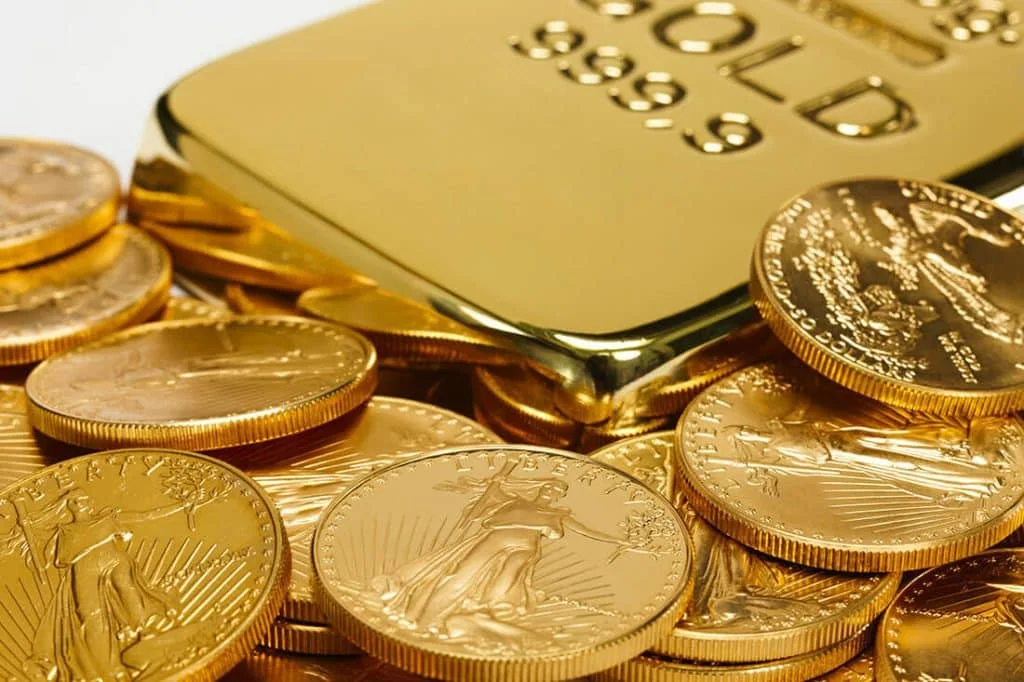
When it comes to selling gold, you generally have two categories to think about: gold jewelry and gold bullion. Both are made of gold, but the process and valuation differ in ways that can meaningfully affect your outcome. Understanding these differences before your visit helps you know exactly what to expect and, if you have both types, which one might be worth handling differently.
At Tyler Gold & Bullion, we are licensed by the Texas Office of Consumer Credit Commissioner (OCCC) as a certified precious metal buyer. Our scales are certified by the Texas Department of Agriculture, and our GIA-certified appraisers evaluate both jewelry and bullion using Thermo-Fisher XRF technology in front of you. Tyler residents rate us 4.9 stars on Google. Whether you have one or both categories, every evaluation at our Tyler location is free with no obligation to sell.
What Is Gold Jewelry?
Gold jewelry includes anything crafted from gold, such as necklaces, bracelets, earrings, rings, and even gold-cased watches. Jewelry may be close to pure gold or a mixture of gold and other metals depending on karat value (10K, 14K, 18K, 22K). When selling gold jewelry, value depends not just on weight and purity but also, in some cases, on craftsmanship, design, brand, or any gemstones present.
How Gold Jewelry Is Valued
Gold jewelry is generally evaluated across three factors. Karat indicates purity: 24K is pure gold, while 14K or 10K contain a mix of other metals for durability. Weight matters directly, since jewelers weigh items in grams or troy ounces to determine gold content. Craftsmanship and condition can add value beyond metal content for designer pieces, antiques, or jewelry in excellent condition, and pieces containing gemstones may be valued higher if the stones themselves carry significant worth. Our blog on why condition does not affect your payout much on standard gold jewelry explains why this craftsmanship factor applies mainly to specific standout pieces rather than everyday jewelry.
What Is Gold Bullion?
Gold bullion refers to gold in its raw investment form, typically bars, coins, or rounds. Unlike jewelry, bullion is valued almost entirely for its weight and purity. The most common forms are gold bars in various weights and recognized gold coins such as the American Gold Eagle or the Canadian Gold Maple Leaf.
How Gold Bullion Is Valued
Bullion valuation is more straightforward than jewelry, based on weight measured in grams or troy ounces, purity that is typically very high at 99.9% or more, and the current market spot price of gold, which changes daily and drives the vast majority of a bullion offer. The price you receive for bullion is directly tied to the live spot price, minus the buyer’s margin. Our guide on gold price today versus your actual payout breaks down exactly how that margin is calculated for both jewelry and bullion.
Key Differences Between Selling Gold Jewelry and Bullion
Value Calculation
Gold jewelry’s value depends on more than weight and purity alone. Designer pieces, vintage items, or jewelry in excellent condition can be worth more due to craftsmanship or design, while broken or outdated jewelry is typically valued for its gold content only. Gold bullion is generally valued at a higher percentage of the current market price precisely because it is already pure gold with none of the added craftsmanship variables that jewelry introduces.
Selling Process
Selling gold jewelry can be slightly more involved, particularly for pieces with intricate designs, diamonds, or other stones, since the buyer assesses the gold content and any gemstone value separately. Bullion, by contrast, is straightforward: because it is valued primarily on weight and purity, there is no design or condition assessment needed, making the transaction fast and efficient.
Liquidity
Jewelry can sometimes take more consideration to value fully, especially high-quality or designer pieces where craftsmanship adds meaningful worth. Bullion is easier to evaluate quickly because it is priced almost entirely against a well-established, publicly tracked market, making it one of the most liquid forms of gold you can own. Our blog on why buying gold bullion is a smart investment explains this liquidity advantage from the investment side of the equation.
Market Pricing
Gold jewelry typically nets a lower percentage of the pure metal spot price because craftsmanship, design work, and brand markup are baked into the original retail cost but do not translate into resale value at the same rate. Gold bullion is traded almost entirely against the live spot price, meaning that if gold prices rise, your bullion’s value rises accordingly with very little separating the two numbers.
Which One Should You Sell?
Deciding between gold jewelry and bullion depends on your specific goals and what you actually have on hand. If you are looking for a fast, straightforward transaction, bullion is typically the more efficient option because evaluation is quick and the offer tracks closely to the current spot price. If you have gold jewelry with sentimental or potential collector value, it may be worth more, though the evaluation can take a little more time to account for craftsmanship or design. If you are unsure which category applies to items you already own, or whether you should sell at all right now, our guide on whether to sell or hold your gold can help you think through the decision.
Can You Sell Both in the Same Visit?
Yes. Many Tyler sellers bring in a mix of gold coins, jewelry, and sometimes silver or Rolex watches all at once rather than making separate trips. Each category is evaluated on its own terms during the same appointment, and you receive a clear breakdown of jewelry value versus bullion value before deciding on anything. Our guide to combining multiple item types into one appointment explains exactly how this works, and our blog on scrap gold is worth a look if any of your jewelry is broken or damaged rather than in wearable condition.
Why Tyler Gold & Bullion Handles Both Categories With the Same Precision
Whether you bring in a single gold ring, a full jewelry box, a handful of American Gold Eagles, or a mix of everything, our GIA-certified appraisers apply the correct evaluation method for each category. Jewelry receives a full assessment of karat, weight, craftsmanship, and any gemstone value, while bullion is confirmed for purity and weight and priced directly against the live spot rate. Our gold jewelry page and our full products we buy page outline everything we evaluate across both categories.
Why Tyler Residents Trust Us With Both Jewelry and Bullion
What We Offer | What It Means for You |
|---|---|
Licensed by the Texas OCCC | State-certified buyer for both gold jewelry and gold bullion transactions |
Texas Dept. of Agriculture certified scales | Accurate weight confirmation whether you bring jewelry, bullion, or both |
GIA-certified appraisers | Professional expertise assessing craftsmanship and gemstones in jewelry, and purity in bullion |
Thermo-Fisher XRF technology | Non-destructive testing confirms purity accurately across both categories |
Live spot pricing for bullion | Bullion offers reflect the current market rate on the day of your visit |
Full craftsmanship assessment for jewelry | Designer, vintage, or gemstone pieces are evaluated for value beyond melt |
Both categories in one appointment | No need for separate trips if you have a mix of jewelry and bullion |
Rated 4.9 stars on Google | 4.9-star rating from Tyler residents for fair evaluations across every gold category |
Frequently Asked Questions About Selling Gold Jewelry vs Bullion in Tyler, TX
What is the difference between selling gold jewelry and gold bullion?
Gold jewelry is valued based on weight, purity, and sometimes craftsmanship or condition, while gold bullion is valued primarily on weight, purity, and the current live market price of gold. Bullion evaluation is generally faster since there is no craftsmanship or design factor to assess.
Can I sell broken gold jewelry the same way as bullion?
Broken gold jewelry is still evaluated for its gold content and can be sold just like intact jewelry. Bullion, being in bar or coin form, does not typically face the same condition questions, but both are ultimately assessed for confirmed weight and purity.
How do you determine the value of my gold jewelry at Tyler Gold & Bullion?
We evaluate karat purity and confirmed weight first, then assess craftsmanship and condition, which can add value for designer or vintage pieces. Standard jewelry sold for metal content is valued primarily on the karat and weight calculation.
How quickly can I sell my gold bullion compared to jewelry?
Gold bullion evaluations are typically faster since purity is already very high and standardized, requiring less assessment time than jewelry. Most bullion transactions are completed in well under 15 minutes.
Do I need an appointment to sell gold jewelry or bullion in Tyler?
No appointment is necessary. Walk-ins are welcome Monday through Friday from 10am to 4pm. For larger collections combining jewelry and bullion, calling [phone] ahead can help us allocate additional time.
Is gold bullion always worth more per gram than gold jewelry?
Gold bullion typically trades closer to the live spot price because it is already at very high purity with no design or craftsmanship variables. Jewelry can sometimes exceed bullion value per gram if it carries significant designer, antique, or gemstone value beyond its gold content.
Can I sell gold coins and jewelry together in the same visit?
Yes. Tyler Gold & Bullion evaluates gold jewelry, gold bullion coins, and bars together in a single appointment, with each item assessed using the correct method for its category and a clear breakdown provided for both.
What types of gold bullion does Tyler Gold & Bullion buy?
We buy gold bars in various weights and recognized gold bullion coins including American Gold Eagles, Canadian Gold Maple Leafs, and similar investment-grade coins, all evaluated against the current live spot price.
Does craftsmanship really add value to gold jewelry, or is it mostly about weight?
For most everyday gold jewelry, weight and purity drive the vast majority of the value. Craftsmanship becomes a meaningful factor mainly for recognized designer pieces, notable antiques, or jewelry with significant gemstones, which our GIA-certified appraisers identify during evaluation.
Which is easier to sell quickly, gold jewelry or gold bullion?
Gold bullion is generally easier and faster to sell since it is valued almost entirely against a standardized, publicly tracked market price. Jewelry can still be sold quickly, but pieces with potential craftsmanship or gemstone value may take slightly longer to assess fully.
Should I sell my gold jewelry or hold onto it as an investment?
Gold jewelry is not typically viewed as an investment vehicle the way bullion is, since its value is mostly tied to metal content rather than market appreciation. Our guide on whether to sell or hold your gold can help you weigh the decision for your specific pieces.
How is gold bullion tested for authenticity at Tyler Gold & Bullion?
Bullion is tested using Thermo-Fisher XRF technology to confirm metal composition non-destructively, along with a visual and weight check against known specifications for recognized bars and coins.
Do designer or brand-name jewelry pieces sell for more than their gold content?
Sometimes, yes. Recognized designer or luxury jewelry brands can carry value above pure metal content due to brand demand and craftsmanship. Our GIA-certified appraisers identify when this applies and factor it into the offer.
Is there a minimum amount of gold bullion or jewelry required to sell in Tyler?
No. There is no minimum weight or value required for either category. Single pieces of jewelry and individual bullion coins are evaluated with the same care as larger collections.
What should I bring if I have both gold jewelry and bullion to sell?
Bring everything together along with a valid government-issued photo ID required by Texas law. No sorting is necessary beforehand; our team separates and evaluates jewelry and bullion appropriately during your visit.
Ready to Sell Your Gold Jewelry or Bullion?
Whether you have a single bracelet, a collection of gold coins, or a mix of both, understanding how each is valued helps you know exactly what to expect before you arrive. Tyler Gold & Bullion evaluates every category with the same transparency and care.
Visit us at 2301 S Broadway Ave A6 in Tyler, TX. Our OCCC-licensed, GIA-certified team evaluates both gold jewelry and gold bullion with full transparency. See everything we buy on our products we buy page. Call 903-522-4337 with any questions, or stop by Monday through Friday from 10am to 4pm.