 2301 S Broadway Ave A6 Tyler, TX 75701




Broken or Damaged Gold Jewelry: Why Condition Doesn't Affect Your Payout Much
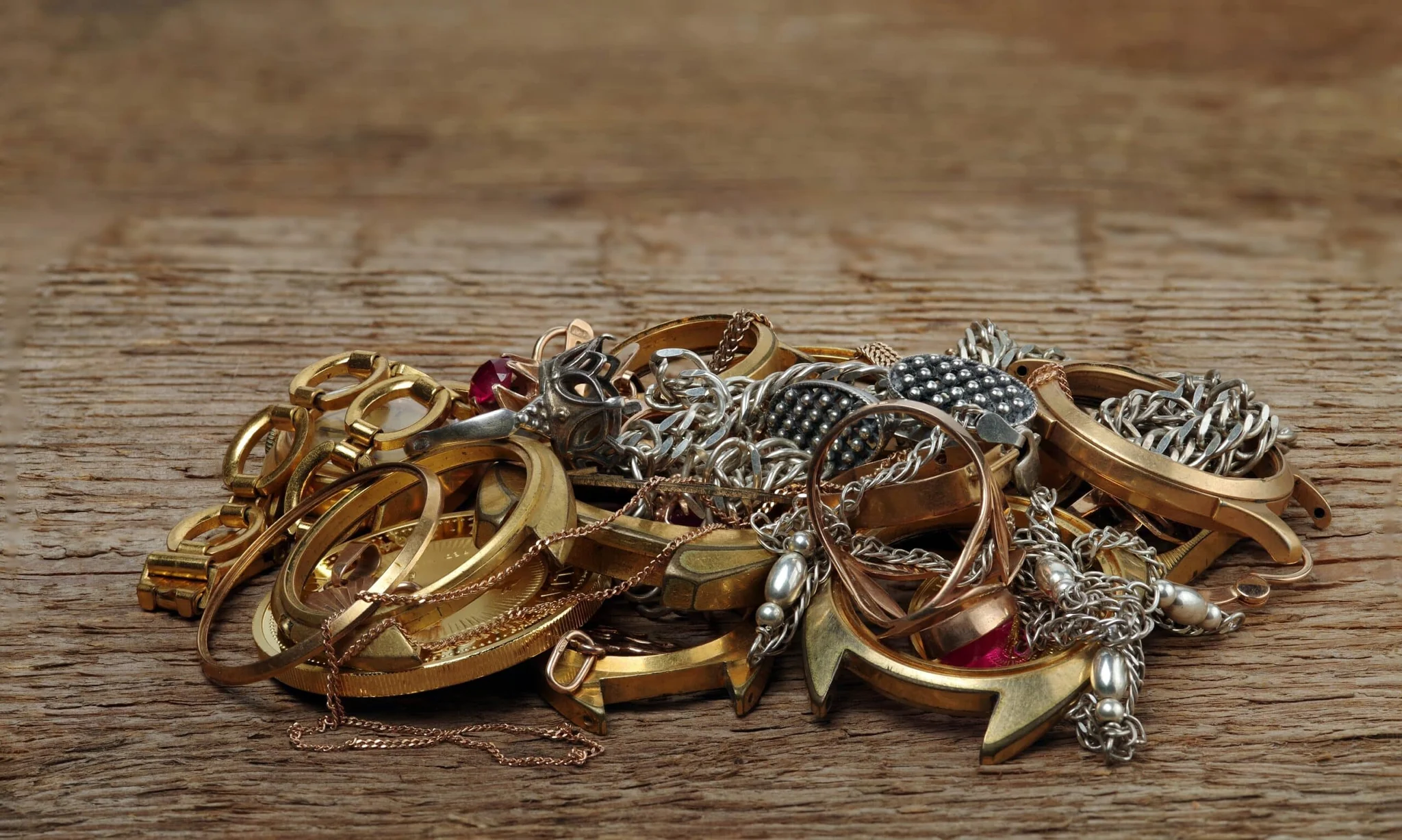
A broken chain, a bent ring, or a tangled bracelet does not have to sit in a drawer collecting dust. In Tyler, condition has very little bearing on what your gold jewelry is worth, because buyers are paying for the metal content itself, not how the piece looks or whether it still functions. This guide explains exactly why damaged gold still holds real value and how to get an accurate, fair payout for it.
At Tyler Gold & Bullion, we are licensed by the Texas Office of Consumer Credit Commissioner (OCCC) as a certified precious metal buyer. Our scales are certified by the Texas Department of Agriculture, and our GIA-certified appraisers use Thermo-Fisher XRF technology to test every item, broken or intact, without causing further damage. Tyler residents rate us 4.9 stars on Google. Every evaluation at our Tyler location is free, and condition never disqualifies a genuine gold item.
What Really Determines the Value of Gold Jewelry
Whether you are selling a brand-new necklace or a twisted piece of a broken bracelet, value comes down to three factors: purity, weight, and the current market price of gold. Condition is not one of them for standard gold jewelry sold for its metal content.
Purity (Karat Level)
Gold purity is measured in karats. Pure gold is 24K, but most jewelry is made in 10K, 14K, or 18K, meaning it has been alloyed with other metals for durability. A 14K piece is approximately 58.3% gold regardless of whether it is shiny and intact or bent and scratched. A scratched 18K ring contains the exact same gold content as a flawless one of identical weight, which is why condition does not meaningfully change the payout.
Weight
Gold is priced by the gram or troy ounce, with one troy ounce equal to 31.1 grams. A tangled chain may be impossible to wear, but it still weighs exactly what it weighed before it tangled. Our Texas Department of Agriculture certified scales measure this weight accurately regardless of whether the piece is bent, snapped, or missing a clasp.
Current Market Price
Gold prices change daily based on global markets, a figure known as the spot price. Reputable buyers base their offer on this live rate rather than an outdated number. You can track current pricing through the World Gold Council before your visit. Our blog on gold price today versus your actual payout explains exactly how this spot price translates into your specific offer.
Why Broken Jewelry Still Has Real Value
Unlike pawn shops or resellers that focus on reselling intact items, specialized gold buyers typically send purchased jewelry to a refinery where it is melted down and the gold is extracted for reuse. Because the piece is being processed for its metal content rather than resold as-is, the condition it arrives in makes almost no difference to that outcome.
A single gold earring with no matching pair, a crushed pendant, or a ring missing its stone all still contain real gold. Even dental gold and gold fillings hold value under this same principle. If it contains genuine gold, it can be tested, weighed, and purchased. Our blog on where to sell scrap gold in Tyler, including dental gold and broken chains, covers this category in additional depth.
Common Misconceptions About Selling Damaged Gold
- “It has to look new to be valuable.” This is incorrect. Visual appearance carries almost no weight in a gold buyer’s evaluation. A sparkling necklace and a bent one of the same purity and weight produce nearly identical offers.
- “I need to repair it first.” Unnecessary in almost every case. Repair costs frequently exceed any value gained, since the piece is evaluated for gold content either way. Save the repair expense and sell it as-is.
- “Nobody will want this old, worn-out piece.” In reality, this is exactly the kind of item gold buyers evaluate every day. Whether antique or modern, broken or whole, if it contains real gold, it has value.
What Items Can Be Sold Even If Damaged
- Single earrings from lost pairs
- Chains with broken clasps
- Bent or dented rings
- Pendants missing stones
- Broken bracelets or bracelets missing links
- Dental gold, crowns, and bridges
- Old gold watches, even if not currently running
- Gold coins showing wear
- Unmatched sets or items with missing components
If it contains real gold, it is worth bringing in for evaluation. For sellers with just one damaged piece rather than a full collection, our single item seller guide for rings and chains explains exactly what to expect from a quick, single-piece visit.
Tips for Selling Broken or Damaged Gold Jewelry in Tyler
Do Not Try to Fix It First
Resist the urge to have a broken piece polished or repaired before selling. Since the item is typically melted down for its metal content, cosmetic fixes add cost without adding value to your offer.
Check for Hallmarks, But Don’t Worry If You Can’t Find One
Look for stamps reading 10K, 14K, 18K, or 750 (which indicates 75% pure gold). These markings help identify purity at a glance. If a stamp is missing, worn away, or was never present, a professional buyer tests the item directly using XRF technology rather than relying on a visual stamp alone. Our guide on testing gold at home before selling covers additional identification steps you can try beforehand.
Gather All the Pieces, Even Separated Ones
If a bracelet broke into two parts, bring both. If you lost a clasp but still have the chain, bring the chain. Every gram of confirmed gold content contributes to your total offer, so incomplete pieces still count in full.
Weigh It at Home for a Rough Estimate
A kitchen scale will not match the precision of a certified commercial scale, but weighing items at home gives you a general sense of scale before your visit. Our full precious metals preparation guide covers additional steps to take before bringing items in.
Know the Current Market Price Before You Visit
Checking the current gold spot price online, through a source like the World Gold Council, helps you understand roughly what kind of offer to expect once purity and weight are confirmed.
Be Cautious of Mail-In Gold Services
Local buyers frequently offer better net results than mail-in services, which can carry hidden fees or rely on the inconvenience of requesting a return to discourage sellers from disputing a low offer. Our blog on the advantages of selling gold jewelry to local buyers instead of pawn shops covers this comparison from a different angle worth reading before you decide where to sell.
How to Choose the Right Gold Buyer in Tyler for Damaged Jewelry
Who you sell to matters just as much as what you sell. Look for a local buyer with transparent evaluations, real industry experience, and a solid reputation in the community. A good buyer will weigh and test your gold in front of you, offer a figure based on the day’s live spot price, explain their process clearly, and never pressure you to sell. Our guide to what makes a gold and silver buyer trustworthy covers these qualities in full detail, and our blog on licensed gold buyer protections explains the legal safeguards that come with choosing an OCCC-licensed business.
Why This Matters for Tyler Sellers
Tyler residents with broken gold jewelry sitting in drawers often do not realize its full potential. Whether it is a piece you no longer wear, something passed down but damaged along the way, or simply old jewelry that has fallen out of style, there is no reason to let it sit unused. Gold buyers in Tyler understand the value in these pieces and are ready to help turn them into cash, a straightforward outcome for you and a piece of metal that gets recycled into something new.
Why Tyler Residents Trust Us With Their Broken Gold Jewelry
What We Offer | What It Means for You |
|---|---|
Licensed by the Texas OCCC | State-certified buyer purchasing broken and damaged gold jewelry of any kind |
Texas Dept. of Agriculture certified scales | Accurate weight confirmed regardless of a piece's physical condition |
GIA-certified appraisers | Professional expertise identifying purity even without a visible hallmark |
Thermo-Fisher XRF technology | Non-destructive testing works the same on broken pieces as on intact ones |
Condition never disqualifies an item | Broken chains, bent rings, and single earrings all receive fair evaluations |
Full calculation shown to you | You see purity, weight, spot price, and margin before any offer is finalized |
Free evaluations, no obligation | Bring damaged pieces exactly as they are with no repair or cleaning needed |
Rated 4.9 stars on Google | 4.9-star rating from Tyler residents who turned broken jewelry into fair cash offers |
Frequently Asked Questions About Selling Broken Gold Jewelry in Tyler, TX
Does broken gold jewelry sell for less than intact pieces in Tyler?
Generally not. For gold jewelry sold based on its metal content, condition has minimal effect on the offer. A scratched, bent, or broken piece contains the same gold as an identical intact piece of the same weight and karat, so the payout is nearly the same in most cases.
Can I sell a single gold earring if I lost the matching one?
Yes. A single earring holds the same gold value as one earring from a matched pair of equal weight and karat. Many Tyler residents keep single earrings for years unaware they hold real, sellable value. Bring it in for a free evaluation.
Should I repair broken gold jewelry before selling it?
No. Repair costs typically exceed any value gained, since the piece is evaluated and often processed for its metal content regardless of functional condition. Selling it as-is saves you the repair expense entirely.
How much is broken gold jewelry actually worth?
Value depends on the confirmed karat and weight of the piece, calculated against the current gold spot price and buyer margin. A free evaluation at Tyler Gold & Bullion using XRF testing and certified scales gives you an exact figure rather than a rough estimate.
Does Tyler Gold & Bullion buy dental gold and gold fillings?
Yes. Dental gold, including crowns and bridges, contains real gold content and is evaluated the same way as jewelry: tested for purity and weighed on certified scales. It is one of the most commonly overlooked sources of sellable gold.
What if I cannot find a karat stamp on my broken jewelry?
A missing or illegible stamp is not a problem. Our GIA-certified appraisers use Thermo-Fisher XRF technology to confirm the actual metal composition directly, without relying on a visible hallmark. This works the same whether the piece is stamped, unstamped, or worn smooth.
Should I bring in a bracelet even if it broke into multiple pieces?
Yes, bring all the pieces together. Every gram of confirmed gold content contributes to your total offer, so a bracelet in two or three separate sections is evaluated the same as if it were still connected.
Is it worth selling old, unfashionable gold jewelry that I would never wear again?
Yes. Gold value has nothing to do with current style trends. An outdated design from decades ago contains the exact same gold content it always did, and converting it to cash is often more useful than letting it sit unused.
Can I sell a ring that is missing its stone?
Yes. A missing stone removes only the stone’s own value from consideration. The gold in the setting is still evaluated based on its confirmed weight and karat, so a ring with a missing stone brings the same gold-content offer as an identical ring with the stone intact.
How does Tyler Gold & Bullion test broken jewelry without causing more damage?
Thermo-Fisher XRF technology tests metal composition non-destructively using X-ray fluorescence, meaning no cutting, scratching, or additional damage occurs during testing. This works identically on broken, bent, or already-damaged pieces as it does on intact ones.
Are gold watches that no longer work still worth selling?
Yes, if they contain real gold. A non-functioning gold watch is evaluated for its metal content just like any other piece. For Rolex and other luxury watches specifically, additional market value beyond gold content may also apply.
Should I clean my broken gold jewelry before bringing it in?
A gentle wipe to remove loose dust is fine, but aggressive cleaning or polishing is unnecessary since the payout is based on confirmed gold content, not appearance. Avoid harsh chemicals, which are not needed and add no value.
What is the difference between selling broken jewelry to a pawn shop versus a specialized buyer?
Pawn shops typically offer 40 to 60 percent of gold value since they operate across many product categories with wider margins. Specialized precious metal buyers focused on gold and silver typically offer 70 to 85 percent, since metal content evaluation is their core business rather than one category among many.
Does Tyler Gold & Bullion have a minimum weight or value for broken gold jewelry?
No. There is no minimum quantity or value required. Single broken items, small groups of damaged pieces, and full collections are all evaluated using the same professional process at no charge.
How quickly can I sell broken gold jewelry and get paid in Tyler?
A single broken item typically takes 10 to 15 minutes from evaluation to payment. Payment is made immediately by cash, check, or bank transfer once you accept the offer. Walk-ins are welcome Monday through Friday from 10am to 4pm.
Turn That Broken Gold Jewelry Into Cash Today
Condition should never be the reason a piece of real gold sits unused. Bring your broken chains, bent rings, single earrings, or any other damaged gold jewelry to Tyler Gold & Bullion for a free, no-pressure evaluation based on real market value.
Visit us at 2301 S Broadway Ave A6 in Tyler, TX. Our OCCC-licensed, GIA-certified team evaluates all gold jewelry, broken or intact with full transparency. See everything we buy on our products we buy page. Call 903-522-4337 with questions, or stop by Monday through Friday from 10am to 4pm.