 2301 S Broadway Ave A6 Tyler, TX 75701




How to Prepare Your Gold, Silver, and Precious Metals for Sale in Tyler, TX
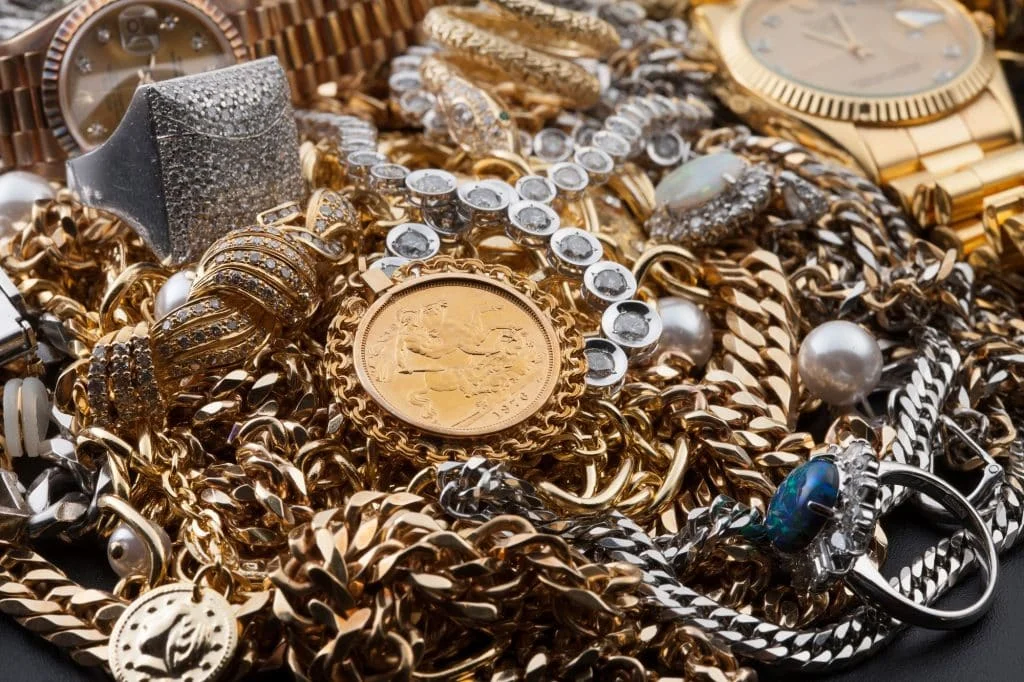
Preparing your gold, silver, and precious metals before a sale in Tyler does not require much effort. In fact, the most common preparation mistakes involve doing too much rather than too little. This guide covers exactly what to do before your appointment at Tyler Gold & Bullion, what to absolutely avoid, and what to bring to ensure the evaluation runs smoothly and gives you the best possible picture of what your items are worth.
At Tyler Gold & Bullion, we are licensed by the Texas Office of Consumer Credit Commissioner (OCCC) as a certified precious metal buyer. Our scales are certified by the Texas Department of Agriculture, and our experienced buyers use Thermo-Fisher XRF technology to evaluate every item accurately without damaging it. Tyler residents rate us 4.9 stars on Google. Walk-ins are always welcome Monday through Friday from 10am to 4pm, and every evaluation is free with no obligation to sell.
Why Preparation Matters Before You Sell in Tyler
Most sellers arrive at gold buyers either significantly over-prepared (having done things to their items that cannot be undone) or significantly under-informed (not knowing what to bring or what to expect). Both situations create friction in the evaluation process. The right preparation is minimal, deliberate, and focused on getting accurate information from the professional evaluation rather than trying to pre-answer questions on your own.
The most common preparation mistakes Tyler sellers make include cleaning coins, polishing silver, removing stones from jewelry, and attempting to sort items by karat without the right tools. Each of these actions can reduce the value of specific item types or introduce inaccuracy into the evaluation. Our blog on the most common items Tyler residents sell provides useful context for understanding what different categories of items look like from a buyer’s perspective.
Why Tyler Sellers Over-Prepare or Under-Prepare
The instinct to prepare thoroughly is natural and usually sensible. With precious metals, however, preparation instincts shaped by selling furniture, cars, or clothing do not always apply. A clean, polished item is not necessarily more valuable in a gold evaluation. An organized collection is not required for an experienced buyer. Understanding why the typical preparation playbook does not apply here removes the risk of doing something counterproductive before your visit.
- People assume clean items are worth more. For gold jewelry, cleanliness has almost no effect on gold content evaluation. For coins, cleaning actively reduces value.
- People try to sort items before understanding evaluation categories. Incorrect sorting by an untrained eye sometimes puts high-value items in the wrong group.
- People remove stones or disassemble jewelry thinking it helps. Gemstones and original construction are evaluated as part of the item. Removing stones or parts before arrival changes the item’s state unnecessarily.
- People do not bring relevant documentation because they assume it is unimportant. For certain items, documentation meaningfully supports the evaluation.
Step 1: Know What You Have Before You Arrive
Gold Jewelry
Your gold jewelry should be gathered from all locations: jewelry boxes, drawers, safe deposit boxes, and storage containers. Include broken pieces, single earrings, mismatched sets, and anything you recognize as gold even if it appears worn or damaged. As our gold jewelry page explains, value is based on karat and weight. Condition does not disqualify jewelry from evaluation. Our blog on why condition does not affect your payout much explains this specifically for broken and damaged pieces.
Gold and Silver Bullion
Gather all bars, rounds, and coins that were purchased as investment bullion. These are the most straightforward items to evaluate because purity is typically certified by the original manufacturer. Include any original packaging, assay cards, or certificates of authenticity. Keep coins in their original sealed holders if applicable, particularly coins in hard plastic PCGS or NGC holders. Our blog on selling gold jewelry versus bullion explains how each type is evaluated differently.
Collectible Coins
Gather all coin collections, including inherited sets, jars of old coins, albums, rolls, and individual pieces. Do not attempt to sort by date or value unless you have numismatic training. Leave sorting to the buyer. Bring any original albums or folders as they are. A coin in an album typically stays in better condition than one that has been handled repeatedly. Our guide on what to expect during a professional coin appraisal in Tyler covers the full evaluation process.
Rolex Watches and Luxury Timepieces
Bring the watch in whatever condition it is currently in. If you have the original box, warranty card, service records, or papers, include those. For Rolex specifically, the model reference number (engraved between the lugs at 12 o’clock) and serial number are important for the evaluation. Our comprehensive guide to selling your Rolex watch for maximum value covers what affects valuation and how to prepare for that specific evaluation.
Sterling Silver Flatware and Hollowware
Bring the full set as it currently exists, including tarnished, bent, or mismatched pieces. Incomplete sets are welcome. Our blog on how sterling silver flatware is separated, tested, and valued explains the sorting and evaluation process in detail. You do not need to separate sterling from plated pieces before arriving. The buyer handles identification during the evaluation.
Step 2: What Documentation to Bring (And What You Don’t Need)
Many sellers assume they need extensive paperwork to sell gold or silver. In reality, most documentation is helpful but not required. Here is how to think about it.
Bring if you have it:
- Certificates of authenticity for coins, watches, or bullion.
- Original packaging and warranty cards for Rolex watches.
- Prior appraisals or receipts showing purchase history.
- Coin albums, folders, or tubes that items were stored in.
Not required:
- Receipts for gold jewelry. The metal content is tested directly.
- Proof of purchase for coins you intend to sell as junk silver or bullion.
- Appraisals from jewelry stores. These appraisals reflect replacement value for insurance purposes and do not correspond to precious metal market value.
You do need to bring a valid government-issued photo ID. Texas law requires identity verification for all precious metal transactions. A driver’s license, state ID, or passport works.
Step 3: What to Never Do Before a Precious Metal Evaluation
Never Clean Your Coins
Cleaning coins is one of the most damaging things a seller can do before an appraisal. Collectors and graders value original surface patina as evidence of a coin’s unaltered history. Cleaning removes that patina, reduces the coin’s grade, and can eliminate significant collectible value. Tarnish and surface wear are expected and normal on circulated coins. Even a gentle rinse with water is not recommended. Bring all coins in their current condition.
Never Aggressively Polish Silver Items
Tarnish on sterling silver flatware and hollowware does not reduce the silver content. Polishing removes a thin layer of silver each time it is applied and can affect the surface appearance of items that may carry collector value based on original condition. If you wish to remove light tarnish, a gentle wipe with a soft, dry cloth is the only recommended action. Commercial silver polishes, dips, or abrasive cleaning methods should be avoided before an evaluation.
Never Remove Stones From Gold Jewelry
Gemstones are evaluated as part of the gold item during appraisal. Attempting to remove stones before the evaluation can damage the setting, the stone itself, or the structural integrity of the piece. Stones do not typically add significant value to a precious metal evaluation, but removing them beforehand creates more problems than it solves. Bring jewelry with all original components intact.
Never Attempt to Sort by Karat Without Proper Tools
Karat stamps are a starting point but not a verified measurement. Sorting jewelry into groups based on stamp readings alone can lead to high-karat pieces being grouped with lower-karat items or plated pieces being included in a solid gold group. Our buyers use XRF technology to verify every item accurately regardless of what the stamp indicates. Bringing items sorted incorrectly does not harm the evaluation, but attempting to remove items from groups based on incorrect self-sorting sometimes creates confusion.
Step 4: Review Current Market Prices Before Your Visit
You do not need to be an expert on current gold and silver prices before visiting Tyler Gold & Bullion. Our team works from live market pricing at the time of your evaluation. That said, having a basic familiarity with current spot prices helps you understand the offer calculation when our buyer walks you through it.
The World Gold Council publishes current gold price benchmarks that are publicly accessible. Our blog on gold price today versus your actual payout explains how spot prices translate to the offer you receive, which is the most important relationship for sellers to understand before visiting any Tyler gold buyer.
Step 5: What Happens During the Professional Evaluation at Tyler Gold & Bullion
Understanding what to expect during the evaluation removes any remaining uncertainty about the process. Here is a clear, step-by-step walkthrough.
- You arrive at our Tyler location and place your items on the counter. There is no back room. Everything is evaluated in your presence.
- The buyer does an initial visual review of everything you brought and organizes items into appropriate categories.
- Gold and silver items are tested using Thermo-Fisher XRF technology to confirm metal composition. You see the equipment and the readings.
- Items are weighed on Texas Department of Agriculture certified scales. You see the weight for each category.
- Coins are reviewed for both metal content and numismatic value. Watches are authenticated and assessed for model and market condition.
- The buyer explains the findings for each category clearly and presents an offer based on current market pricing.
- You decide whether to sell, which items to include, and when you are ready to proceed. There is no pressure and no time limit.
Most evaluations for typical household collections take 20 to 30 minutes. Visit our what we do page for a more detailed explanation of our technology and evaluation methodology.
Common Preparation Mistakes Tyler Sellers Make Before Their First Visit
- Getting a jewelry store appraisal first: retail jewelry appraisals reflect insurance replacement value, which is much higher than gold market value. These appraisals create unrealistic expectations without reflecting what a gold buyer will offer.
- Trying to sell coins online before an in-person evaluation: online coin sales through auction platforms can work for identified key-date coins, but a professional evaluation often reveals items that are worth significantly more or less than online estimates suggest.
- Only bringing items they are certain about: sellers frequently leave their most valuable items at home because they underestimated their worth. Bringing everything allows the buyer to identify value that the seller did not expect.
- Visiting a pawn shop first: pawn shop offers for gold are typically 40 to 60 percent of refined value. Visiting a specialized buyer like Tyler Gold & Bullion first, or at minimum second, gives you an accurate reference point for what your items are actually worth.
Why Preparation Matters Specifically in the Tyler, TX Market
Tyler’s estate sale market and multi-generational household tradition means that many sellers arrive with items that have not been professionally evaluated in decades or ever. The combination of inherited coins, estate jewelry, old flatware, and long-held watches is common in Smith County and the surrounding East Texas area. Arriving at your evaluation with these items in their original condition, with whatever documentation exists, and with a basic understanding of what to expect, positions you to get the most accurate and complete evaluation available in Tyler.
Our tips on getting top dollar when selling gold in Tyler complement this preparation guide and focus specifically on what sellers can do to maximize the offer on their specific item types. For those with mixed collections from estate situations, our guide on selling through one combined appointment explains how to handle multiple item types efficiently.
Why Tyler Residents Choose Tyler Gold & Bullion for Their Precious Metal Sales
| What We Offer | What It Means for You |
|---|---|
| Licensed by the Texas OCCC | State-certified precious metal buyer operating under Texas regulatory oversight |
| Texas Dept. of Agriculture certified scales | State-verified accurate weights for every item, every visit |
| Experienced buyers | Professional expertise across gold, silver, coins, watches, and flatware |
| Thermo-Fisher XRF technology | Non-destructive, accurate metal composition testing on every item at no charge |
| No preparation required beyond gathering items | Our buyers handle sorting, testing, and evaluation from whatever state you bring your items in |
| Free evaluations with full explanation | You understand exactly what you have before making any decision |
| No obligation to sell | Walk in, get the evaluation, and decide on your terms with no pressure |
| Rated 4.9 stars on Google | 4.9-star rating earned from Tyler residents for honest, professional evaluations |
FAQs About Preparing Precious Metals for Sale in Tyler, TX
Do I need to clean my gold jewelry before bringing it to Tyler Gold & Bullion for evaluation?
No. Cleaning gold jewelry before an evaluation is not necessary and rarely affects the outcome. Gold value is based on karat and weight, not visual appearance. A gentle wipe with a soft, dry cloth is more than sufficient if you prefer to remove surface dust. Harsh chemicals, polishing compounds, or abrasive cleaners are not recommended and serve no purpose in improving the evaluation result.
What documents should I bring when selling gold or silver in Tyler?
Bring any certificates of authenticity, original packaging, warranty cards, or prior appraisals you have for specific items. These are helpful but not required. A valid government-issued photo ID is required by Texas law for all precious metal transactions. Receipts for everyday gold jewelry are not necessary since the metal content is tested directly.
Should I sort my coins before bringing them in for evaluation?
No. Sorting by an untrained eye can result in items being placed in incorrect groups. Our buyers sort and categorize every coin during the evaluation. Bring coins in whatever state they are currently in, whether loose in a jar, in rolls, in albums, or mixed in a box. The buyer handles all identification and sorting as part of the free evaluation process.
Is it bad to clean coins before selling them?
Yes, cleaning coins before an evaluation can meaningfully reduce their value. Collectors and grading services like PCGS and NGC recognize cleaned coins and assign lower grades and premiums to them. Original surface patina is considered evidence of a coin’s unaltered history. Even a gentle rinse with water can affect the surface of a collectible coin. Bring all coins in their current condition without any cleaning.
Does the condition of my gold jewelry affect the selling price?
For gold jewelry sold for its metal content, condition has minimal effect on the evaluation. Value is determined by karat (purity) and weight. A broken chain weighing 5 grams of 14K gold is worth the same as an intact chain of identical weight and karat. Condition becomes relevant for items with significant collector or brand value, such as antique designer jewelry or Rolex watches.
What should I never do to coins before bringing them to a gold and silver buyer?
Never clean, rinse, rub, or polish coins before an evaluation. Never remove coins from sealed PCGS or NGC holders. Never attempt to sort key-date coins from common ones without numismatic expertise. Never use commercial coin cleaning products, ultrasonic cleaners, or any chemical solutions. All of these actions either reduce collectible value, risk destroying certification, or introduce inaccuracy into the evaluation.
How do I know if my items are ready for a professional appraisal?
Your items are ready when they are gathered together and you have your government-issued photo ID. No cleaning, sorting, or additional preparation is required. The professional evaluation at Tyler Gold & Bullion handles all identification, testing, and organization from whatever state your items are currently in. If you have documentation, include it. If you do not, the evaluation proceeds without it.
Can I bring in items I am not sure have any value?
Yes, and this is encouraged. Many sellers leave valuable items at home because they underestimated their worth. Bringing everything for a free evaluation is always the right approach. Items that turn out to have limited value can be identified accurately, and items with unexpected value are identified by the buyer. The evaluation is free regardless of the outcome.
What is the most important thing to do before visiting Tyler Gold & Bullion?
Gather everything you want evaluated in one place and bring it together for one visit. The single most common reason Tyler sellers receive incomplete evaluations is that they only brought part of their collection, leaving other items at home that might have had meaningful value. A complete visit produces a complete picture of what you own and what it is worth.
Does polishing or cleaning affect the evaluation of a Rolex watch?
Yes. Over-polishing a Rolex watch removes metal from the case and bracelet and softens the sharp edges that define original factory finishing. Collectors recognize over-polished watches and adjust their assessments accordingly. A Rolex in original, unpolished condition with natural wear is generally evaluated more favorably for collector value than one that has been heavily polished. Bring watches in their current condition.
Should I have my gold appraised elsewhere before visiting Tyler Gold & Bullion?
A jewelry store retail appraisal reflects insurance replacement value, which is much higher than the gold market value you would receive from a precious metal buyer. These appraisals often create unrealistic expectations. If you want a reference point, checking current spot prices through the World Gold Council and reading our guide on gold price versus actual payout gives you a more accurate baseline than a retail jewelry appraisal.
What if I have mixed items where some I want to sell and some I want to keep?
That is completely fine. You can present all of your items for evaluation and choose what to sell after hearing the offer on each category. You are under no obligation to sell any specific item or the entire collection. Many Tyler residents come in with a full collection and sell only certain categories. Payment is made immediately for whatever you choose to sell, and the rest leaves with you.
Do I need to research gold prices before coming in to sell?
Basic familiarity with current spot prices is helpful for understanding the offer calculation during your evaluation. You can check current gold and silver prices through the World Gold Council before your visit. However, detailed knowledge is not required. Our buyers explain how current pricing applies to your specific items as part of the evaluation process.
Is there anything I should avoid doing to my sterling silver flatware before an appraisal at Tyler Gold & Bullion?
Avoid commercial silver polishes, silver dipping solutions, and abrasive cleaning methods before an evaluation. Tarnish does not reduce silver content and has minimal effect on the evaluation result. Polishing removes a small amount of silver with each application and, for pieces with collector value based on original condition, can reduce their appeal to certain buyers. A dry cloth wipe to remove loose dust is the only recommended pre-visit action.
How long before my visit should I start preparing my items for a gold and silver evaluation?
Preparation can be done in the hour before your visit. Gather all items from their storage locations, locate any documentation you want to include, ensure your government-issued photo ID is with you, and bring everything together in a bag or container. There is no complex preparation sequence required. The professional evaluation at Tyler Gold & Bullion handles everything from sorting and identification through testing and offer presentation.
Your Items Are Ready. Tyler Gold & Bullion Is Ready. Here Is the Next Step
You do not need to be a precious metals expert before your first visit. You do not need to clean, sort, or research extensively. You need your items gathered and your ID in hand. Tyler Gold & Bullion handles everything from there with certified equipment, professional expertise, and full transparency at every step.
Visit us at 2301 S Broadway Ave A6 in Tyler, TX. Our OCCC-licensed, experienced team evaluates gold jewelry, silver, coins, Rolex watches, flatware, and scrap gold in a single free appointment. See all types of items we evaluate and purchase before your visit. Call 903-522-4149 if you have questions, or walk in Monday through Friday from 10am to 4pm. No appointment necessary. No preparation required beyond showing up with your items.