 2301 S Broadway Ave A6 Tyler, TX 75701




How Sterling Silver Flatware Is Separated, Tested, and Valued
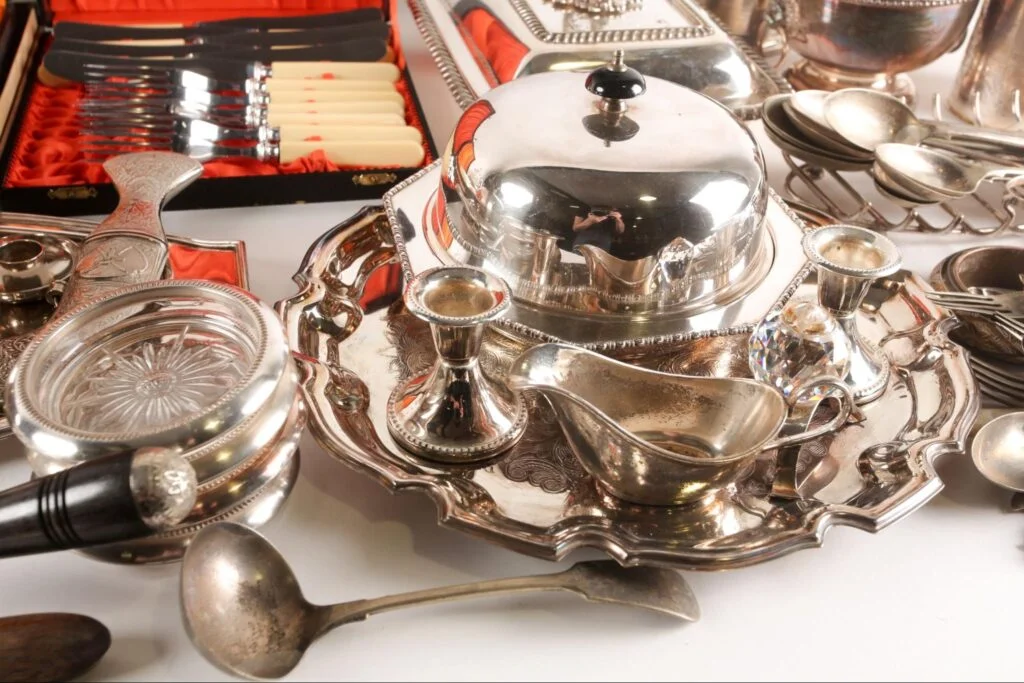
Sterling silver flatware tends to accumulate quietly. It arrives as a wedding gift, gets inherited from a parent or grandparent, or sits in a drawer after special occasions fade into routine. Years pass, and the question eventually surfaces: is this actually worth anything, and what does the process look like to find out?
The short answer is yes. Sterling silver flatware holds real value based on silver content, and many sets carry added worth based on maker, pattern, and age. At Tyler Gold & Bullion, we are licensed by the Texas Office of Consumer Credit Commissioner (OCCC) as a certified precious metal buyer. Our scales are certified by the Texas Department of Agriculture for accuracy, and our experienced buyers evaluate every item in front of you. Tyler residents rate us 4.9 stars on Google. Whether you have one serving spoon or a full service for twelve, every flatware appraisal at our Tyler location is free, transparent, and explained step by step.
Why Sterling Silver Flatware Appraisal Requires a Different Approach
Sterling silver flatware is not the same as a gold ring or a silver bullion coin. A ring has one consistent metal composition throughout. A bullion coin was manufactured to exact specifications. Flatware sets, by contrast, can include solid sterling pieces, silver-plated items, stainless steel blades, weighted handles, and pieces from different eras mixed together over decades.
Treating all of it the same way produces inaccurate results. According to the Silver Institute, sterling silver must contain at least 92.5% pure silver. That standard is what the “925” hallmark on flatware represents. Items below this standard, including silver-plated pieces, do not carry the same value profile. A proper appraisal respects these differences, separates items correctly, and evaluates each piece on its actual merits.
Step 1: Sorting and Separating Your Flatware Collection
Grouping by Piece Type
The first step in any flatware appraisal is organization. Forks go together. Spoons go together. Knives stay separate. Serving pieces such as ladles, butter knives, cake servers, sugar tongs, and gravy boats get their own group. This methodical approach keeps the evaluation clear and prevents pieces from being missed or miscategorized. Everything happens on the counter in front of you from start to finish.
Separating Mixed Material Items
Most flatware knives are not solid sterling from end to end. The blade is typically stainless steel, while the handle is sterling. Some older knives and serving pieces contain weighted handles filled with cement, resin, or lead filler, which was standard in 19th and early 20th century silversmithing.
These pieces require separate handling because only the sterling portions contribute to silver value. Non-silver components get excluded from the weight calculation. Identifying them accurately requires experience with different eras of silversmithing and an understanding of how construction varied across manufacturers and time periods. Our blog on why sterling silver serving pieces are evaluated differently than everyday utensils covers this distinction in more detail.
Checking for Matching vs Mixed Sets
Flatware sets sometimes include replacement pieces added years later from a different manufacturer. Patterns that looked similar enough when purchased may not perfectly match under close inspection. During sorting, our buyers check for consistency across each piece type. Sets with original matching pieces from the same maker tend to have more collector appeal, though both original and mixed assemblages still carry full silver value for each sterling piece.
Step 2: Identifying Real Sterling vs Plated and Stainless Items
Reading Hallmarks and Maker’s Marks
Authentic sterling silver is almost always marked. U.S.-made sterling typically reads “Sterling” or “925.” British sterling includes a lion passant hallmark alongside assay office marks. French silver uses distinctive government-issued guarantee marks. Other European and Latin American silver may use designations like “800” or “830” indicating a lower but still genuine silver standard.
Common silver-plated flatware markings include “EP” (electroplated), “EPNS” (electroplated nickel silver), “EPBM” (electroplated Britannia metal), or brand names historically associated with silver plate such as Rogers Brothers, Community Plate, and 1847 Rogers Bros. Despite their prestigious-sounding names, these items do not contain sterling silver content and have a very different value profile than solid sterling pieces.
Testing When Hallmarks Are Unclear
Some older or foreign pieces have worn markings that are difficult to read. Others were made in periods when consistent hallmarking was not standard practice. When visual identification alone is inconclusive, our buyers use electronic testing to confirm silver content. This step protects both parties from errors based on appearance alone. Visit our what we do for a full overview of our testing technology.
Step 3: Professional Testing Methods for Silver Content
After visual identification, professional testing confirms what hallmarks suggest. Authentic-looking marks can occasionally appear on plated items, especially on pieces that have been refinished or misidentified over the years. Reliable confirmation requires more than a visual check.
Our testing approach is non-destructive. Nothing is cut, scratched deeply, or damaged during the process. We use electronic testing methods that read metal composition without harming the piece. This matters especially for heirloom flatware where the owner may want the items back regardless of the outcome. For pieces where you are not sure whether the metal is sterling or plated, bring them in. Testing is included in the free appraisal and costs you nothing.
Step 4: Weighing and Calculating Your Silver’s Value
Removing Non-Silver Components
Before weighing, non-sterling components need to be accounted for. Knife blades stay with the knife during initial sorting, but their stainless weight gets excluded from the silver calculation. Weighted handles require more careful attention. A sterling knife handle with a weighted core might total 85 grams, with the sterling silver shell contributing only 20 to 25 grams of actual silver content. Experienced buyers know typical silver shell weights for different eras and styles of weighted pieces and apply accurate exclusions.
How Total Silver Weight Translates to Value
Once accurate silver weight is established, the calculation applies the 92.5% sterling purity factor to arrive at pure silver content. That content gets multiplied by the current market spot price for silver to establish melt value. You see this calculation happen on certified, transparent scales in front of you.
Getting this step right matters. Overestimating silver weight leads to inflated expectations. Underestimating it shortchanges the seller. Our commitment to accurate, transparent weighing is part of why Tyler residents continue to recommend us on Yelp and other platforms. See our products we buy to see how different silver item types are handled.
Step 5: Evaluating Maker, Pattern, and Historical Significance
Silversmiths and Manufacturers That Matter
Not all sterling flatware carries the same value even when silver weights are comparable. Pieces from historically significant American silversmiths attract collector interest above their metal content. Names associated with quality U.S. silver manufacturing include Tiffany and Co., Gorham Manufacturing, Wallace Silversmiths, Reed and Barton, Towle Silversmiths, and International Silver.
European silversmithing houses carry their own prestige, with Georg Jensen of Denmark, Christofle of France, and Georgian and Victorian-era British silversmiths commanding attention from collectors internationally. Our buyers recognize these names and know which patterns from which eras carry collector premiums above melt value.
When Pattern Value Exceeds Melt Value
Certain patterns from well-regarded makers have been discontinued and are actively sought by collectors completing partial sets or restoring estate pieces. When a pattern fits this profile, it may deserve a different approach than standard metal value pricing. Our blog on where to sell sterling silver flatware for the best price in Tyler, TX covers how maker reputation and pattern desirability affect final offers. Not every set qualifies for this treatment, but our buyers flag these situations when they appear.
What Happens With Tarnished, Scratched, or Damaged Flatware
Tarnish is the most common concern sellers bring to flatware appraisals. The direct answer is that tarnish does not reduce silver content or meaningfully affect appraisal value. Tarnish is silver sulfide forming on the surface, a natural chemical process that leaves all of the silver intact underneath. Our blog on the most common items Tyler residents sell addresses this for multiple silver item types.
Normal use scratches also do not significantly affect metal value appraisals. Scratched pieces contain the same silver as pristine pieces of identical weight and composition. Bent pieces, mismatched items, and sets missing pieces are all still worth bringing in.
One important exception: do not re-silver or commercially polish flatware before an appraisal. Commercial polishing removes a small layer of silver each time it is applied. For pieces with collectible value, original patina often enhances appeal rather than reducing it. Bring items as they are. You will not be penalized for honest wear.
Common Myths About Sterling Silver Flatware Among Tyler Residents
Three myths come up consistently in flatware appraisals at our Tyler location.
The first is that all silver-looking flatware is sterling. A significant portion of flatware in circulation is silver-plated over a base metal. The visual appearance can be nearly identical to sterling, especially after years of use. Only proper testing confirms what you have.
The second is that complete sets are substantially more valuable than partial ones. Completeness matters for collector appeal in some cases, but the silver value of individual pieces is independent of whether the set is complete. Five sterling serving spoons are worth five spoons worth of silver whether or not you have matching forks and knives.
The third is that older flatware is always worth more. Age affects collector value only when combined with maker reputation, desirable pattern, and good condition. A Victorian-era set from an unknown maker in poor condition is worth its silver content. A mid-century Tiffany pattern in excellent condition carries significant value above melt for entirely different reasons.
Why Tyler Residents Choose Tyler Gold & Bullion for Flatware Appraisals
| What We Offer | What It Means for You |
| Texas OCCC licensed precious metal buyer | Certified by state regulators as a legitimate, authorized buyer of precious metals |
| Texas Dept. of Agriculture certified scales | Your silver is weighed on state-verified accurate equipment every time |
| Experienced buyers | Expert evaluation of metal content and collectible value, not just a quick glance |
| Non-destructive testing methods | Your heirloom flatware stays intact and undamaged throughout the entire appraisal |
| Full transparency on the counter | You see the separation, testing, weighing, and math as it happens in front of you |
| Knowledge of maker marks and patterns | You receive fair value for significant pieces, not just the metal floor |
| Free appraisals with no obligation | Leave with answers whether you sell or not, no pressure at any point |
| Rated 4.9 stars on Google | Google reviews |
FAQs About Sterling Silver Flatware Appraisals in Tyler, TX
How do I know if my flatware is really sterling silver and not plated?
Look for hallmarks reading “Sterling,” “925,” or “925/1000” on each piece. Silver-plated items typically carry marks like “EP,” “EPNS,” or historic brand names associated with silver plate. If markings are worn or unclear, bring the flatware to Tyler Gold & Bullion for free testing. Electronic testing methods confirm silver content accurately without damaging the piece.
Does tarnish lower the value of sterling silver flatware?
No. Tarnish does not reduce silver content or meaningfully lower appraisal value. Tarnish is a natural surface reaction that leaves all the silver intact underneath. Our buyers focus on metal content and authenticity, not surface appearance. You do not need to clean or polish your flatware before bringing it in.
What happens to knife blades during a sterling silver flatware appraisal?
The blades of most flatware knives are stainless steel, not sterling silver. During appraisal, we separate the sterling handle value from the stainless blade. Only the sterling silver portions are weighed and calculated in your offer. Some older knives also have weighted handles with non-silver cores, which are excluded from the silver weight calculation.
Can I sell an incomplete sterling silver flatware set?
Yes. Incomplete sets and individual pieces are welcome. Silver value is determined piece by piece based on weight and purity. You do not need a complete service for twelve to receive full silver value for the pieces you do have. Even a few sterling serving spoons have meaningful value at current silver market prices.
Does the brand or maker of my sterling flatware affect its value?
Yes, for some sets it can. Pieces from well-regarded American silversmiths like Tiffany, Gorham, or Wallace, and from European makers like Georg Jensen, may carry collector premiums above melt value. Our buyers recognize significant makers and patterns and evaluate them accordingly. Not all flatware qualifies for this additional consideration, but our team identifies it when it does.
How long does a sterling silver flatware appraisal take in Tyler?
A small set of ten to twenty pieces typically takes 20 to 30 minutes. Larger sets, mixed collections, or pieces requiring closer attention to maker and pattern may take longer. Call ahead at 903-522-4149 if you have an unusually large collection so we can set aside appropriate time.
Do I need to clean or polish my flatware before bringing it in for appraisal?
No. Bring your flatware in its current condition. Commercial polishing removes a small layer of silver each time it is applied and can reduce collectible value on significant pieces by removing original patina. Tarnish and light tarnishing do not affect your appraisal outcome and do not need to be addressed before your visit.
What does EPNS mean on my flatware, and is it worth anything?
EPNS stands for electroplated nickel silver. It means the flatware has a thin layer of silver deposited over a base metal core rather than being solid sterling silver throughout. EPNS items contain very little recoverable silver and have a very different value profile from sterling. Most Tyler buyers do not purchase EPNS flatware for silver value. Our buyers will tell you clearly what you have at no charge.
Are weighted sterling silver handles worth less than solid sterling?
Yes, per unit of weight they are, because only the sterling shell contributes to silver value and not the filler inside. A weighted handle might weigh 80 grams total but contain only 20 to 25 grams of actual sterling silver. Our buyers know standard silver shell weights for different eras and styles of weighted pieces and calculate the sterling content accurately.
How is sterling silver flatware weighed when it includes non-silver parts?
Non-silver components are excluded from the weight calculation before your offer is determined. Stainless knife blades and weighted handle fillers are accounted for using standard weight ranges for those components by era and style. The resulting weight reflects only the actual sterling silver content. You see this adjustment made transparently during the appraisal.
What does the hallmark 925 mean on sterling silver flatware?
“925” indicates that the item contains 925 parts per thousand of pure silver, or 92.5% silver content. This is the legal minimum standard for sterling silver in the United States and most international markets. Flatware marked 925 or “Sterling” meets the full sterling standard. Items marked “800” or “830” contain a lower silver percentage but are still genuine silver.
Can I sell just a few pieces of a set, or do I need the full set?
You can sell any number of pieces, including a single fork or spoon. There is no minimum quantity required. Each piece is evaluated and priced individually based on its own weight, purity, and any relevant maker or pattern considerations. Even one or two pieces of a larger set have real sterling silver value.
Are antique or Victorian-era sterling silver pieces worth more than modern flatware?
Not automatically. Age increases value only when combined with maker reputation, desirable pattern, and adequate condition. A Victorian-era set from an unknown maker in poor condition is worth its silver content. A well-preserved Victorian set from a recognized American or British silversmith may carry significant premiums above melt. Our buyers evaluate each set on its specific merits.
Does Tyler Gold & Bullion buy sterling silver serving pieces and hollowware in addition to flatware?
Yes. Serving pieces such as ladles, cake servers, gravy boats, and sugar bowls are purchased alongside flatware. Sterling silver hollowware including trays, tea sets, and candelabras is also evaluated. These items follow the same appraisal process: identification, testing, weighing with non-silver components excluded, and transparent offer calculation.
What should I bring to a sterling silver flatware appraisal in Tyler?
Bring the flatware in whatever condition it is currently in. If you have the original wooden presentation case, maker documentation, or purchase receipts, bring those along as they can be helpful. A valid government-issued ID is required for any transaction. No sorting, cleaning, or organization is necessary before your visit. We handle all of that as part of the free appraisal process.
Find Out What Your Sterling Silver Flatware Is Worth in Tyler
Getting a professional flatware appraisal in Tyler comes down to working with someone who separates your items accurately, tests them properly, explains the math clearly, and gives you a fair offer based on what you actually have. That is the standard we hold every appraisal to at Tyler Gold & Bullion.Whether you have a set you inherited, one you received as a wedding gift decades ago, or a collection of individual pieces, bring it to Tyler Gold & Bullion at 2301 S Broadway Ave A6 in Tyler, TX. Our OCCC-licensed buyers will evaluate your flatware with care and transparency. Call 903-522-4149 to ask about your set before coming in, or stop by Monday through Friday from 10am to 4pm. There is no obligation to sell, and the appraisal is always free.