 2301 S Broadway Ave A6 Tyler, TX 75701



Should You Clean Silver Coins Before Selling? What Tyler Sellers Get Wrong
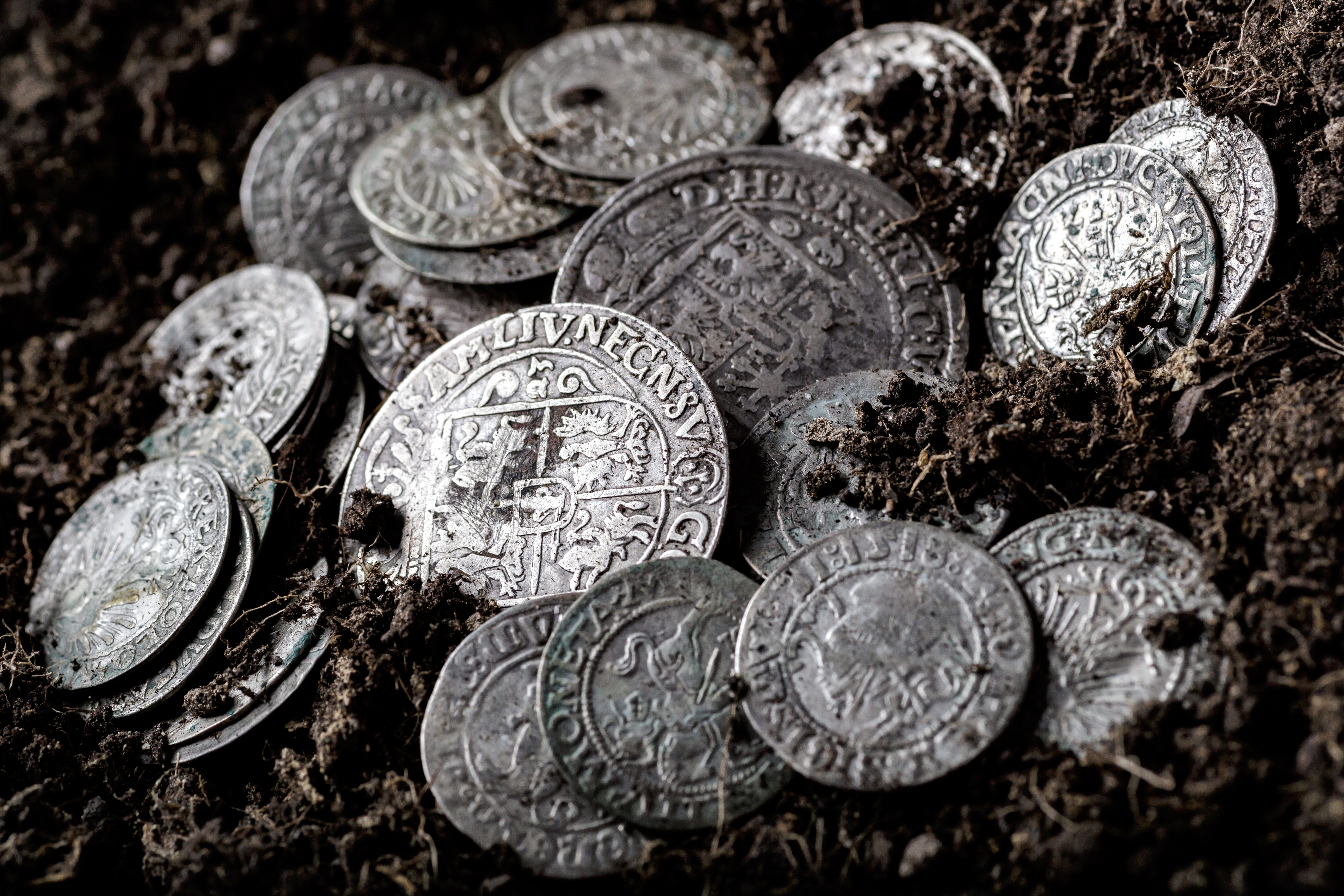
Almost never clean a silver coin before bringing it in for evaluation, and for anything with potential collector value, never is closer to the truth. This surprises a lot of Tyler sellers who assume a shiny, polished coin will make a better impression than one covered in decades of tarnish. The opposite is true, and understanding why can protect real money sitting in your coin jar or inherited collection.
At Tyler Gold & Bullion, we are licensed by the Texas Office of Consumer Credit Commissioner (OCCC) as a certified precious metal buyer. Our scales are certified by the Texas Department of Agriculture, and our GIA-certified appraisers evaluate coins in their original, untouched condition using Thermo-Fisher XRF technology. Tyler residents rate us 4.9 stars on Google. This guide explains exactly what cleaning does to a coin, when it matters most, and what to do instead before your visit.
Almost Never Clean Your Coins
For any coin with potential numismatic or collector value, cleaning is one of the most financially damaging things a seller can do before an evaluation. For coins being sold purely for their silver content, cleaning does not help and occasionally creates new problems. There is essentially no scenario where cleaning a coin before selling it in Tyler improves your outcome.
What Cleaning Actually Does to a Coin’s Surface
Every coin develops a natural surface layer over decades called patina, formed by a slow, even chemical reaction between the metal and the environment. Collectors and professional graders view original patina as evidence that a coin has not been altered since it left circulation or storage. It is part of what confirms a coin’s authenticity and history.
Cleaning removes this layer, even when done gently. Beyond removing patina, most cleaning methods, including ones marketed as safe, leave microscopic hairline scratches across the coin’s surface. These marks are often invisible to the naked eye but are immediately obvious to a trained appraiser or grading service under magnification.
Why Professional Graders Penalize Cleaned Coins
Third-party grading services including Professional Coin Grading Service (PCGS) and Numismatic Guaranty Company (NGC), specifically identify cleaned coins and assign them a “details” designation rather than a standard numerical grade. A cleaned coin that would otherwise grade Extremely Fine or Uncirculated instead receives a note stating it was cleaned, and its market value drops substantially compared to an identical coin with original, untouched surfaces.
This penalty exists because collectors specifically pay a premium for originality. A coin’s history and authenticity are part of what buyers are purchasing, and once that natural surface is disturbed, no amount of skillful cleaning restores the value that was lost. Our blog on what Tyler coin dealers want sellers to know before bringing in Morgan and Peace Dollars explains how this applies specifically to the silver dollar series most commonly affected.
When Does Cleaning Matter Less? Bullion and Junk Silver
Pre-1965 junk silver coins and silver bullion rounds evaluated purely for their metal content are less affected by surface condition because their value comes from confirmed weight and purity, not collector grading. A tarnished 1964 quarter and a bright one contain the same amount of silver and produce the same melt value offer.
Even so, we still recommend against cleaning these coins. Cleaning takes time and effort that produces no financial benefit for melt-value silver, and it removes the option of discovering that a coin you assumed was common junk silver is actually a key date with numismatic value. Our guide on which coins in your home are actually worth money explains how to spot potentially valuable dates before making any assumptions about what you have.
Common Cleaning Methods That Damage Coin Value
Sellers often try methods they have seen recommended online or passed down as household tips. Each of the following causes damage that a professional evaluation can identify immediately.
- Silver polish or dip solutions: Designed for flatware and jewelry, these chemically strip tarnish and leave a coin with an artificially bright, unnatural surface that graders recognize instantly.
- Baking soda and aluminum foil reactions: This method creates a chemical reaction that removes tarnish but also alters the coin’s surface texture in ways that are visible under magnification.
- Vinegar or acidic soaks: Acidic solutions can etch the coin’s surface, sometimes at a microscopic level that is not immediately visible but shows up clearly during professional inspection.
- Abrasive rubbing with cloths or brushes: Even soft materials create fine scratches across a coin’s highest points, the exact areas graders examine most closely for wear and originality.
- Toothpaste or household abrasive pastes: These act as mild sandpaper against the coin’s surface, removing both tarnish and a microscopic layer of the coin itself.
What to Do Instead of Cleaning Your Coins
The safest approach before any Tyler evaluation is to do nothing at all beyond basic, careful handling.
- Handle coins by their edges only, avoiding contact with the flat surfaces where oils from your skin can affect the metal over time.
- If dust or debris needs to be removed, use a soft, dry cloth with no rubbing pressure, and only when absolutely necessary.
- Never use water, soap, polish, or any chemical solution on a coin you plan to sell.
- Store coins in acid-free holders or flips if you have them, but do not attempt to store or protect coins in a way that requires touching or altering the surface.
- Bring the coin to a professional appraiser exactly as you found it, tarnish, toning, and all.
Our full guide on preparing your precious metals for sale to Tyler Gold & Bullion covers preparation guidance across all item types, and our blog on what to expect during a professional coin appraisal in Tyler explains exactly how our evaluation works with coins in their original condition.
How Tyler Gold & Bullion Evaluates Coins Without Requiring Cleaning
Our Thermo-Fisher XRF technology confirms metal composition non-destructively, meaning a coin’s tarnish, toning, or surface condition never interferes with an accurate purity reading. Our GIA-certified appraisers examine coins under proper lighting and magnification to assess date, mint mark, and condition exactly as the piece exists, without any need for surface alteration.
This means you never have to guess whether cleaning would help before your visit. The correct answer is always to leave the coin untouched and let our team evaluate it in its original state, whether it is heading toward a melt value calculation or toward a closer look for numismatic potential. Our blog on coin shop or gold buyer in Tyler explains how both evaluation types work together in the same appointment.
Why Tyler Coin Sellers Trust Our Evaluation Process
What We Offer | What It Means for You |
|---|---|
Licensed by the Texas OCCC | State-certified buyer evaluating coins accurately in their original, untouched condition |
GIA-certified appraisers | Professional expertise identifying numismatic value without requiring any surface alteration |
Thermo-Fisher XRF technology | Non-destructive purity testing unaffected by tarnish, toning, or natural patina |
No cleaning required, ever | We evaluate every coin exactly as you bring it in, preserving whatever value it holds |
Texas Dept. of Agriculture certified scales | Accurate weight measurement for melt value calculations on every silver coin |
Dual evaluation: melt value + numismatic value | Original surfaces are assessed for both metal content and any collector premium |
Free evaluations, no obligation | Bring coins exactly as they are with no preparation required beforehand |
Rated 4.9 stars on Google | 4.9-star rating from Tyler residents for accurate, respectful coin evaluations |
Frequently Asked Questions About Cleaning Coins Before Selling in Tyler, TX
Should I clean my silver coins before selling them in Tyler?
No. Cleaning almost always reduces a coin’s value, particularly for anything with potential collector interest. Even coins being sold purely for melt value gain no benefit from cleaning. The safest approach is to bring coins to Tyler Gold & Bullion exactly as you found them, with no cleaning or polishing beforehand.
Does cleaning a coin reduce its value?
Yes, often significantly. Cleaning removes a coin’s natural patina, the surface layer that develops over decades and that collectors view as proof of originality. It also typically leaves microscopic scratches visible under magnification. Professional graders specifically flag cleaned coins, which lowers their market value compared to coins with untouched original surfaces.
How can professional graders tell if a coin has been cleaned?
Graders examine coins under magnification looking for unnatural shine, hairline scratches in patterns inconsistent with normal circulation wear, and disrupted luster in the coin’s recessed design areas. Cleaned coins often show a bright, uniform surface that lacks the subtle variation natural patina develops over time. These signs are usually invisible to an untrained eye but obvious to an experienced appraiser.
Is it okay to clean pre-1965 junk silver coins since they are only worth melt value?
Cleaning does not help even for coins evaluated purely for silver content, since melt value depends on confirmed weight and purity, not appearance. We still recommend against cleaning because it removes the opportunity to identify a potentially valuable date or variety hiding among what appears to be common junk silver.
What household cleaning methods should I never use on coins?
Avoid silver polish or dip solutions, baking soda and foil reactions, vinegar or acidic soaks, abrasive rubbing with cloths, and toothpaste or other abrasive pastes. Each of these methods either chemically alters the coin’s surface or physically abrades it, and the resulting damage is typically visible to a professional evaluator.
Will tarnish or dirt on my coins lower the offer I receive?
No. Tarnish is a natural surface reaction and does not remove any silver content or reduce a coin’s numismatic potential. In fact, natural, undisturbed tarnish is viewed as a positive sign of originality. Attempting to remove tarnish through cleaning is far more likely to reduce value than leaving it in place.
What should I do instead of cleaning my coins before selling?
Handle coins only by their edges, avoid any water, soap, or chemical contact, and use a soft dry cloth only if absolutely necessary to remove loose dust. Store coins in acid-free holders if available. Bring the coins to Tyler Gold & Bullion exactly as they are for a free professional evaluation.
Does cleaning affect silver bullion bars and rounds the same way as collectible coins?
Bullion bars and rounds are generally less sensitive to cleaning since their value is based entirely on confirmed weight and purity rather than collector grading. However, cleaning still provides no financial benefit and is unnecessary. We recommend leaving all silver items, including bullion, in their original condition before any evaluation.
How does Tyler Gold & Bullion evaluate coins without needing them cleaned?
Our Thermo-Fisher XRF technology reads metal composition non-destructively regardless of surface tarnish or toning. Our GIA-certified appraisers examine coins under proper lighting and magnification to assess date, mint mark, and condition exactly as they exist. No cleaning or surface preparation is ever required before an evaluation.
What is coin patina and why do collectors value it?
Patina is the natural surface layer that forms on coins over decades through slow, even exposure to air and handling. Collectors value patina because it provides visible evidence that a coin has not been artificially altered, supporting its authenticity and originality. Original patina is part of what a collector is paying for on a numismatically valuable coin.
Can a cleaned coin still be sold, just for less?
Yes. A cleaned coin retains its silver content value and can still be sold for melt value or as a details-graded collectible at a reduced price compared to an uncleaned example. Cleaning does not make a coin worthless, but it does typically reduce what a buyer or grading service is willing to pay compared to an identical coin in original condition.
What if I already cleaned my coins before finding this out?
Bring them in for a free evaluation regardless. Tyler Gold & Bullion evaluates coins in whatever condition they currently exist, including previously cleaned examples. The coin still retains its silver content value and, in some cases, may retain numismatic interest even with a details designation. There is no reason to avoid an evaluation because a coin was cleaned in the past.
Does PCGS or NGC grading get affected if a coin was cleaned?
Yes. Both PCGS and NGC specifically identify cleaned coins during their grading process and assign a “details” designation rather than a standard numerical grade. This designation typically reduces market value substantially compared to an identical coin that received a standard grade with original surfaces intact.
How do I know if my coin has already been cleaned by a previous owner?
Signs include an unusually bright or shiny appearance inconsistent with the coin’s age, a uniform surface lacking natural variation, or visible fine scratches under close inspection. If you are unsure, our GIA-certified appraisers can identify prior cleaning during a free evaluation and explain how it affects the coin’s value.
Should I clean sterling silver flatware the same way as coins?
The same general guidance applies. Avoid aggressive polishing or chemical dips before an evaluation, since flatware value is based on confirmed silver weight and, in some cases, maker or pattern recognition that benefits from original condition. A gentle wipe with a soft, dry cloth is acceptable if needed, but avoid commercial silver polishes before your visit.
Bring Your Coins As They Are for an Accurate Evaluation
The single best thing you can do for your coin collection before selling is nothing at all. Leave tarnish, toning, and original surfaces untouched, and let a professional evaluation determine what your coins are actually worth in their genuine, unaltered condition.
Visit Tyler Gold & Bullion at 2301 S Broadway Ave A6 in Tyler, TX. Our OCCC-licensed, GIA-certified team evaluates coins exactly as you bring them, with no cleaning required. See our full collectible coins page. Call 903-522-4149 with any questions before your visit, or stop by Monday through Friday from 10am to 4pm. Every evaluation is free.