 2301 S Broadway Ave A6 Tyler, TX 75701



Maximizing Your Returns When Selling Rare and Collectible Coins in Tyler, TX
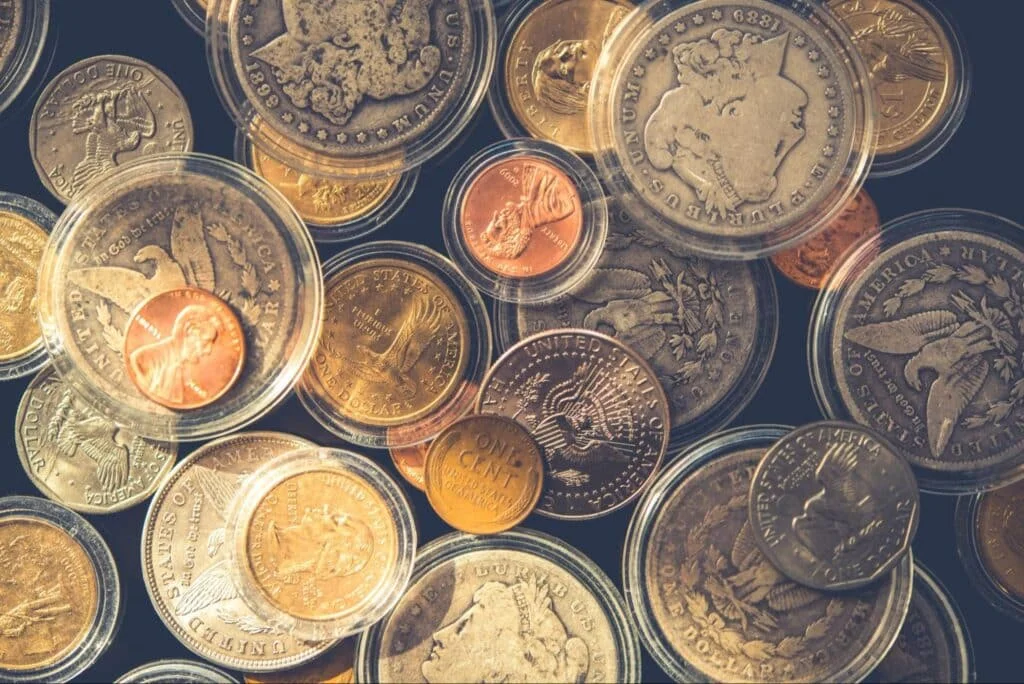
Collectors talk about their coins the way car enthusiasts talk about classic engines: every flaw, mint mark, and die variation matters. When it comes time to sell, those details translate into real dollars. A coin dismissed as an ordinary penny might be a 1969-S doubled-die Lincoln cent worth a significant premium at the right buyer. A Morgan Dollar from a key date can bring multiples of what a common-date version of the same coin produces. Getting maximum value from rare and collectible coins requires knowing what you have, how to present it, and where to take it.
At Tyler Gold & Bullion, we are licensed by the Texas Office of Consumer Credit Commissioner (OCCC) as a certified precious metal buyer. Our scales are certified by the Texas Department of Agriculture, and our experienced buyers evaluate coins for both precious metal content and numismatic value in the same appointment. Tyler residents rate us 4.9 stars on Google. Every coin evaluation at our Tyler location is free and carries no obligation to sell.
Why Rare Coin Sellers Often Leave Value Behind in Tyler
The two most common ways sellers lose value on rare and collectible coins are: treating all coins as equivalent bullion when some have meaningful numismatic premiums above melt, and cleaning coins before evaluation when original surface condition is what collectors and graders value most. Both mistakes are irreversible in practice.
Understanding the difference between melt value and numismatic value before visiting any Tyler coin buyer is the starting point for maximizing returns. Our guide on which coins in your home are actually worth money helps identify which pieces in a typical collection deserve closer numismatic attention.
Step 1: Start With Proper Identification Before Selling
Before bringing coins to any buyer, a basic identification pass catches obvious high-value pieces that deserve separate attention from standard bullion and junk silver.
What to Look For When Identifying Your Coins
- Country, denomination, and year: These three elements together narrow the coin’s identity and establish whether further research is warranted.
- Mint mark: A small letter indicating which U.S. Mint facility produced the coin (D for Denver, S for San Francisco, CC for Carson City, O for New Orleans). The same date from a low-mintage facility can be worth dramatically more than from a common facility.
- Variety: Some coins have production differences within the same date and mint that significantly affect value. Doubled dies, over-dates, and specific die varieties require a magnifier to identify.
- Pre-1965 silver coins: Dimes, quarters, and half dollars dated before 1965 contain 90% silver and are worth well above face value at current silver prices.
A magnifier, good lighting, and reference guides like the Red Book (A Guide Book of United States Coins) help with initial identification. Our blog on what Tyler coin dealers want sellers to know about Morgan and Peace Dollars covers identification specifically for these highly traded silver dollars.
Step 2: Understanding the Three Value Factors That Drive Your Return
Melt Value vs Numismatic Value
Melt value is the value of the precious metal a coin contains, calculated as weight times purity times current spot price. Every genuine silver or gold coin has a melt value floor. Numismatic value is the premium collectors and buyers pay above that melt floor based on rarity, historical significance, condition, and current collector demand.
Common Morgan Dollars in average circulated condition trade primarily at melt with a small collector premium. Key-date Morgan Dollars from low-mintage facilities in the same condition can trade at multiples of melt. The date and mint mark determine which category applies to your specific coin. Our blog on coin shop vs gold buyer in Tyler explains which buyer type is better suited for different coin categories.
Why Grade and Condition Determine Your Return
The Sheldon coin grading scale runs from Poor (P-1) at the low end to Mint State 70 (MS-70) at the high end. For collectible coins with numismatic value, a few points on this scale can represent a significant difference in what your coin brings.
Circulated coins show wear on the high points of the design from being used as currency. Uncirculated coins show no wear but may have minor bag marks or other contact marks from storage. Proof coins were struck with specially prepared dies on polished planchets for collector purposes and have mirror-like fields. Understanding which category your coin falls into before visiting a buyer helps you set appropriate expectations.
Step 3: Professional Grading Through PCGS or NGC
Third-party grading through Professional Coin Grading Service (PCGS) or Numismatic Guaranty Company (NGC) authenticates coins and assigns a standardized grade in a tamper-evident holder. Certified coins in PCGS or NGC holders generally attract stronger buyer interest because the authentication and grading risk is removed.
Grading submission is not cost-effective for all coins. For common-date silver dollars in average circulated condition, grading fees may not be recovered in the higher offer. For key-date coins in high grades, certification can meaningfully improve the offer by providing documented authentication. Ask a knowledgeable buyer to help you identify which pieces in your collection would benefit from grading before submitting.
Our blog on navigating collectible coins for beginners explains PCGS and NGC grading in more detail for sellers new to numismatics.
Step 4: Document Provenance and Prior History When Available
Provenance, the documented history of who owned a coin and when, adds context that some buyers factor into valuations. Old auction catalogs showing a coin appeared in a notable sale, letters from prior owners, original receipts, or documentation connecting a coin to a recognized collection can support the evaluation, particularly for significant pieces.
Most everyday inherited collections do not have provenance documentation and it is not required. The absence of documentation does not disqualify any coin from evaluation. Bring whatever you have and let the buyer assess its relevance.
Step 5: The One Thing You Must Never Do Before Selling
Never clean, polish, or chemically treat a coin before bringing it to a buyer. This is the single most damaging action a coin seller can take before an evaluation.
Cleaning removes original surface patina that collectors and grading services value as evidence of a coin’s unaltered history. Even a gentle rinse with water can disturb the microscopic surface structure. Professionals spot cleaned coins immediately. A cleaned coin typically receives a lower grade designation from PCGS or NGC, which permanently reduces its market value. Tarnish, light wear, and age-related surface characteristics are expected and leave them undisturbed.
Choosing the Right Selling Channel for Your Tyler Coin Collection
Local Precious Metal and Coin Buyers
Specialized local buyers who handle both precious metal content and numismatic evaluation are the most efficient option for most Tyler sellers. You receive immediate payment, see the evaluation in person, and avoid shipping risk. The critical factor is finding a buyer who evaluates both components: metal content for bullion coins and numismatic value for key-date and certified pieces.
Specialty Coin Auction Houses
For genuinely rare, high-value pieces, specialty coin auctions through national firms can achieve strong prices through competitive bidding from collectors nationally. The trade-off is time: the settlement process from consignment to payment typically takes weeks to months, and auction commissions typically run 10 to 20 percent of the hammer price.
General Online Platforms
Online platforms provide access to a large buyer audience but introduce shipping risk, fraud exposure, and potential return issues. For common junk silver and standard bullion coins, local buyers typically offer equivalent pricing without the complications. Reserve online platforms for specialized collector pieces where a broader audience is needed.
Timing Your Coin Sale in Tyler
The rare coin market has seasonal patterns tied to major coin shows (January through February and fall show seasons tend to be more active) but these primarily matter for pieces destined for specialty auctions. For local sales in Tyler, current silver and gold spot prices matter more than calendar timing.
Pre-1965 junk silver coins and gold bullion coins track closely with precious metal spot prices. When silver is trading at historically strong levels, the metal floor on your junk silver collection rises proportionally. The World Gold Council publishes current metal price data useful for context before your visit.
Red Flags When Selling Coins to Any Buyer in Tyler
- An offer based only on metal weight for all coins in your collection, without examining dates and mint marks. This treats potentially valuable numismatic coins as simple bullion.
- No magnification used during evaluation. Date and mint mark identification requires proper examination tools.
- No explanation of the difference between melt value and the offer being made for collectible pieces.
- A buyer who wants your items overnight “for review.” Legitimate evaluations happen at the counter in your presence.
- High-pressure language like “this offer expires today” or “I can only hold this price until closing time.”
What to Expect During a Professional Coin Appraisal at Tyler Gold & Bullion
A professional coin appraisal at our Tyler location covers both components of coin value in a single appointment. Our guide on what to expect during a professional coin appraisal in Tyler describes this process in detail. In brief: your coins are organized by category, tested for metal content using XRF technology, weighed on certified scales, examined for date and mint mark significance, and evaluated for any PCGS or NGC certified status.
You receive a clear explanation of which coins are valued primarily on metal content and which carry numismatic premiums. You see every test and every calculation before making any decision. For sellers with partial or inherited collections, our blog on what to expect when selling a partial coin collection addresses that specific situation.
Why Tyler Coin Sellers Choose Tyler Gold & Bullion for Maximum Returns
| What We Offer | What It Means for You |
|---|---|
| Licensed by the Texas OCCC | State-certified buyer providing legitimate, accountable coin evaluations |
| Experienced buyers | Professional expertise covering both precious metal content and numismatic assessment |
| Thermo-Fisher XRF technology | Non-destructive metal composition testing confirms silver and gold content on every coin |
| Dual evaluation: metal value + numismatic value | Junk silver and bullion get metal pricing; key-date coins get both evaluations in one appointment |
| No sorting required before your visit | Bring your collection as is; we identify, sort, and evaluate every piece |
| PCGS and NGC holders recognized | Certified coins receive appropriate market-supported valuations |
| Free coin appraisals, no minimum | Single coins and full collections evaluated free with no obligation to sell |
| Rated 4.9 stars on Google | 4.9-star rating from Tyler residents for accurate, thorough coin evaluations |
Frequently Asked Questions About Selling Rare and Collectible Coins in Tyler, TX
Do I need to get my coins professionally graded before selling in Tyler?
Professional grading through PCGS or NGC is worthwhile for key-date coins and high-grade uncirculated pieces where the certification meaningfully supports a stronger offer. For common junk silver coins and standard bullion, grading fees typically are not recovered in the offer. Ask a knowledgeable local buyer to help you identify which specific coins in your collection would benefit from certification before paying for grading.
What is the difference between melt value and numismatic value for coins?
Melt value is the value of the precious metal content, calculated as weight times purity times current spot price. Numismatic value is the additional premium collectors pay above melt for rarity, historical significance, mint mark, and condition. Common coins have primarily melt value. Key-date and rare variety coins may have numismatic value far above their metal content. An experienced buyer evaluates both components.
Can I sell a partial coin collection or do I need complete sets?
Yes. There is no requirement for complete sets. Individual coins, partial rolls, and mixed collections are all evaluated at Tyler Gold & Bullion. Each piece is assessed individually based on its own metal content and any numismatic value it carries. There is no minimum quantity required for a free evaluation.
How do I know if my coin has a rare variety or mint mark?
Examine the coin under magnification looking for the mint mark (typically a small letter near the date) and any unusual design features such as doubling, die cracks, or off-center strikes. A coin reference like the Red Book provides variety listings. Bringing questionable coins to an experienced buyer is the most reliable approach, as variety identification requires experience with specific series.
Should I clean my coins before selling them in Tyler?
No. Never clean coins before an evaluation. Cleaning removes original surface patina, which graders and collectors value. Even gentle cleaning can permanently reduce a coin’s grade and market value. PCGS and NGC specifically note cleaning on graded coins, which reduces their market appeal. Bring all coins in their current condition regardless of appearance.
Does Tyler Gold & Bullion buy both bullion coins and collectible coins?
Yes. Tyler Gold & Bullion evaluates and purchases all coin types: pre-1965 junk silver, American Silver Eagles, American Gold Eagles, Morgan Dollars, Peace Dollars, key-date U.S. coins, PCGS and NGC certified coins, foreign gold and silver coins, and commemorative issues. All categories are handled in a single free appointment.
What coin types typically bring the highest returns in Tyler’s market?
Key-date Morgan Dollars and Peace Dollars in higher grades, certified coins in PCGS or NGC holders with strong grades, American Gold Eagles and pre-1933 U.S. gold coins, and low-mintage early American coins typically carry the strongest premiums above melt value. Pre-1965 junk silver in quantity represents strong silver content value at current market prices.
Is it better to sell coins to a coin shop or a precious metal buyer in Tyler?
The right buyer depends on what type of coins you have. For junk silver and standard bullion coins, specialized precious metal buyers typically offer the most competitive pricing based on efficient metal calculations. For key-date collectible coins, a buyer who evaluates both metal content and numismatic value provides the most complete assessment. Tyler Gold & Bullion evaluates both components in the same appointment.
How does provenance affect the value of a collectible coin?
Provenance provides documented history that can support buyer confidence for significant pieces. A coin with documented auction history from a recognized sale or a known collection sometimes attracts additional interest. For most coins in typical inherited collections, provenance documentation is unavailable and its absence does not affect the evaluation. The coin itself is the primary subject of evaluation.
What is the PCGS and NGC grading scale and does it matter for my coins?
Both PCGS and NGC use the Sheldon numerical scale from 1 to 70, where higher numbers indicate better condition. Poor (P-1) reflects heavy wear with design barely visible. Mint State (MS-60 to MS-70) indicates uncirculated coins with varying degrees of minor marks. Proof (PR-60 to PR-70) applies to specially produced collector coins. For collectible coins, grade significantly affects market value. For bullion coins valued primarily on metal content, grade matters less.
Can I sell inherited coins without knowing their history?
Yes. Inherited coins with no documentation, no prior appraisals, and no known history are evaluated entirely on what the coins themselves contain. An experienced buyer identifies coin type, confirms metal content, assesses date and mint mark, and evaluates condition without needing any background on the collection.
Are pre-1965 silver coins worth more than face value?
Yes. Pre-1965 U.S. dimes, quarters, and half dollars contain 90% silver and are worth well above face value at current silver market prices. A pre-1965 quarter contains approximately 0.18 troy ounces of silver. At any meaningful silver price, these are worth multiples of their 25-cent face value. Collections of these coins represent real silver value worth bringing in for evaluation.
How long does a professional coin appraisal take at Tyler Gold & Bullion?
A small group of coins typically takes 15 to 20 minutes. A mixed collection with bullion, junk silver, and collectible pieces may take 30 to 45 minutes. Large estate collections with many coins may take longer. Walk-ins are welcome. For large collections, calling ahead at 903-522-4149 helps ensure adequate time is available.
What red flags should I watch for when selling coins to any buyer?
Walk away if: the buyer makes an offer based only on metal weight for all coins without examining individual dates and mint marks; no magnification is used during evaluation; the buyer takes your items away from your sight for evaluation; urgency pressure is used to push for an immediate decision; or no explanation is provided of how the offer was calculated.
How does current silver and gold pricing affect collectible coin values?
All silver and gold coins have a melt value floor that rises and falls with spot prices. When silver is trading at historically strong levels, your pre-1965 junk silver and silver bullion coins are worth proportionally more. Numismatic premiums above melt are determined by collector demand rather than spot prices and can persist regardless of metal price movements. Both factors are considered during evaluation at Tyler Gold & Bullion.
Turn Your Rare Coins Into Cash the Right Way at Tyler Gold & Bullion
Selling rare and collectible coins does not have to feel like a gamble. Armed with proper identification, an understanding of what drives value, and the right local buyer, you can unlock the full value of every coin in your collection.
Visit Tyler Gold & Bullion at 2301 S Broadway Ave A6 in Tyler, TX. Our OCCC-licensed, experienced team evaluates all coin types, from junk silver to key-date collectibles, at our collectible coins. See all items we evaluate and purchase. Call 903-522-4149 to schedule your free coin evaluation, or stop by Monday through Friday from 10am to 4pm.