
 2301 S Broadway Ave A6 Tyler, TX 75701


Why Sterling Silver Serving Pieces Are Evaluated Differently Than Everyday Utensils
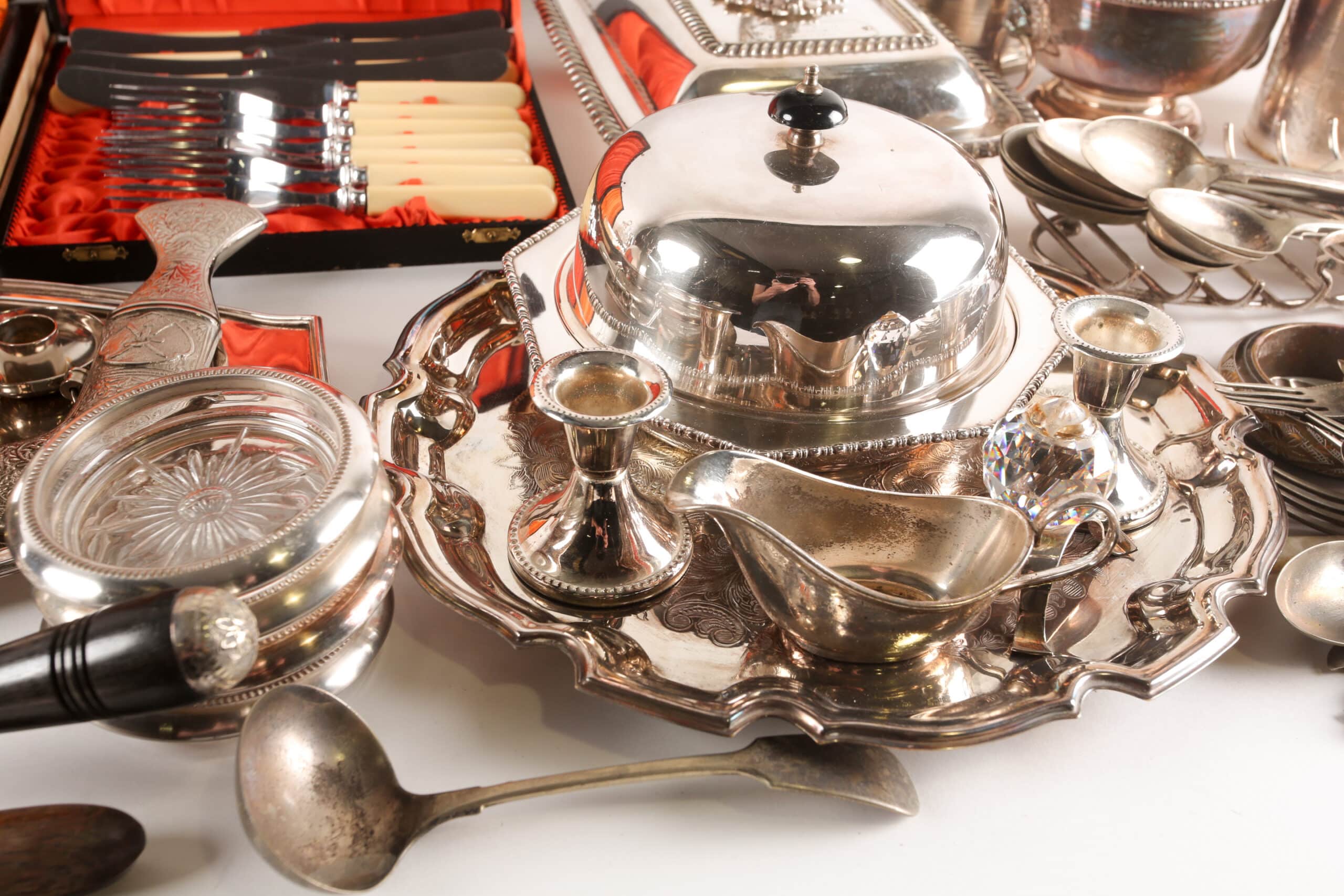
Many homes in Tyler, TX have a mix of silver items tucked away in drawers or cabinets. Some pieces come from full flatware sets, while others include larger serving items like trays, ladles, cake servers, or tea sets. At first glance, everything may look similar. It all shines the same, feels similar in hand, and carries that familiar silver tone.
But when it comes time for an appraisal, not all silver gets treated the same. Sterling silver serving pieces go through a different evaluation process than everyday utensils like forks and spoons. If you are planning to sell or simply want to understand what you have, it helps to know why this difference exists. This guide breaks it down in a simple, clear way so you know exactly what to expect.
The Difference Between Serving Pieces and Everyday Utensils
Everyday utensils usually include items like forks, teaspoons, dinner knives, and salad forks. These pieces follow a standard size and shape. Most come from matching sets and get used regularly.
Serving pieces are different. These include items such as:
- Serving spoons
- Ladles
- Cake servers
- Pie servers
- Sugar tongs
- Gravy boats
- Serving trays
These items often have larger sizes, unique shapes, and more detailed designs. Some get used only on special occasions. Others may have been stored for years without regular use. Because of these differences, the way buyers evaluate them also changes.
Why Size and Structure Matter
One of the first things a buyer looks at is the physical structure of the item. Everyday utensils usually consist of solid sterling silver throughout the entire piece. That makes them easier to evaluate. Buyers can weigh them, confirm purity, and move forward with a straightforward assessment.
Serving pieces often have more complex builds. Some include hollow sections. Others contain reinforced areas or added materials for strength. Certain handles may include fillers or internal supports. Because of this, buyers take extra time to understand how each piece is constructed before moving forward with testing and weighing.
Not All Silver Is Where You Think It Is
With everyday utensils, the silver content stays consistent across the entire item. That makes things simple. Serving pieces do not always follow that pattern. A large serving spoon may be fully sterling, but a knife or server might have a stainless blade with a sterling handle. Some trays or hollowware pieces may include non-silver bases or layers.
During appraisal, buyers separate these components carefully. They identify where the sterling silver exists and where it does not. This ensures that the evaluation reflects the true silver content without guessing. This step is one of the main reasons serving pieces receive more attention during appraisal.
Weight Does Not Always Mean More Silver
Many sellers assume that larger items automatically hold more silver value. That sounds logical at first. A heavier tray or serving spoon feels like it should carry more weight in silver. But weight alone does not tell the full story.
Some serving pieces include added materials inside the structure. These materials increase weight without increasing silver content. If a buyer skipped proper inspection, it could lead to confusion.
Professional buyers separate the actual silver weight from the total item weight. This protects both the seller and the accuracy of the evaluation.
Design and Craftsmanship Play a Bigger Role
Serving pieces often feature more detailed craftsmanship than everyday utensils. You may see engraved patterns, ornate handles, or decorative edges. These details matter. While everyday utensils tend to follow uniform designs, serving pieces often vary widely. Some may come from well-known makers. Others may carry unique features that stand out.
During appraisal, buyers take a closer look at design elements. They check for maker marks, patterns, and signs of quality craftsmanship. This step helps identify whether a piece holds interest beyond its silver content.
How Buyers Test Sterling Silver Serving Pieces
Testing remains a key part of the process, but the approach can differ slightly when serving items. For everyday utensils, testing tends to be quick and consistent. For serving pieces, buyers may test multiple areas of the same item to confirm purity across different sections.
Non-destructive tools like XRF analyzers help confirm metal content without damaging the piece. Visual inspection also plays a role, especially when identifying mixed materials. The goal stays the same. Confirm what is sterling and what is not.
Hollowware Requires Extra Attention
Serving pieces often fall into a category called hollowware. This includes items like bowls, teapots, trays, and serving dishes.
Hollowware requires a careful approach because it may include layered construction or internal supports. Buyers take time to inspect these pieces from multiple angles.
They look for seams, weight differences, and signs of internal structure. This helps determine how much of the item consists of sterling silver. This step adds time to the process, but it ensures a fair and accurate evaluation.
Why Everyday Utensils Move Faster During Appraisal
Because everyday utensils follow consistent patterns, they move through appraisal quickly. Buyers can group them, confirm markings, weigh them, and complete the evaluation in a short amount of time. There are fewer variables to consider.
Serving pieces do not offer that same consistency. Each item may require individual attention. That is why the process feels more detailed and sometimes takes longer. This does not make serving pieces harder to sell. It simply means they require a closer look.
What Sellers in Tyler Should Expect
If you bring in a mix of sterling silver items, expect the process to include both quick and detailed steps. Utensils may get grouped and evaluated together. Serving pieces may get reviewed one by one. Buyers will explain what they are seeing and how each item gets categorized.
You do not need to sort or prepare anything in advance. Bring everything as it is. A professional buyer will handle the separation and explanation. This approach keeps the process simple for you while ensuring accuracy behind the scenes.
Common Questions Sellers Have
Many sellers walk in with similar concerns. They wonder if larger pieces carry more value. They question whether mixed materials reduce value. They ask if they should clean items before bringing them in.
These questions are normal. The best approach stays simple. Bring your items as they are. Let the buyer explain what matters. Focus on understanding the process rather than trying to guess ahead of time.
Why Local Appraisals Help You Understand More
When you visit a local buyer, you get to see everything happen in front of you. You can ask questions, watch the testing, and understand how each piece gets evaluated. This matters more with serving pieces because of their complexity.
Instead of relying on estimates or assumptions, you get clear answers in real time. That clarity helps you make confident decisions.
FAQs About Sterling Silver Serving Pieces in Tyler, TX
Are serving pieces always worth more than regular utensils?
Not always. Size alone does not determine value. Construction and silver content matter more.
Do serving pieces always contain solid sterling silver?
No. Some include mixed materials or reinforced sections that need to be evaluated carefully.
Should I clean my silver serving pieces before bringing them in?
No. Cleaning is not required and may affect certain finishes.
Why do serving pieces take longer to evaluate?
They often have more complex structures, so buyers need to inspect them more closely.
Can I bring both utensils and serving pieces together for appraisal?
Yes. Buyers will separate and evaluate each item accordingly.
If you have sterling silver serving pieces or flatware and want clear answers without confusion, visit Tyler Gold & Bullion or call 903-522-4149. Our team will walk you through every step with transparency and care.