
 2301 S Broadway Ave A6 Tyler, TX 75701


Selling Gold Jewelry vs. Bullion: What You Need to Know
When it comes to selling gold, you have a few different options, each with its own set of benefits and challenges. Two of the most common forms of gold people sell are gold jewelry and gold bullion. While both involve selling gold, the process and valuation differ significantly. Understanding these differences can help you make a more informed decision about how and when to sell your gold. Let’s break down what you need to know about selling gold jewelry vs. bullion.
What is Gold Jewelry?
Gold jewelry includes anything made of gold, such as necklaces, bracelets, earrings, rings, and watches. Jewelry may be pure gold or a mixture of gold and other metals, depending on the karat value (i.e., 10K, 14K, 18K, 22K). When selling gold jewelry, the value depends not just on the weight and purity of the gold but also on factors like the craftsmanship, design, brand, and sometimes even the gemstones.
How is Gold Jewelry Valued?
Gold jewelry is generally valued based on three factors:
- Karat: The karat value indicates the purity of the gold. 24K is pure gold, while lower karats like 14K or 10K contain a mix of other metals.
- Weight: The more gold the jewelry contains, the higher its value. Jewelers typically use a scale to weigh your items in troy ounces or grams.
- Craftsmanship and Condition: While gold jewelry is valued primarily for its gold content, if the piece is a designer item, antique, or in excellent condition, it may be worth more due to its craftsmanship or collectible value. Additionally, jewelry with gemstones may be valued higher if the stones are of significant value.
When you bring gold jewelry to Tyler Gold & Bullion, we evaluate the weight and purity first, and then we assess the craftsmanship and condition to ensure you’re getting a fair and competitive offer.
What is Gold Bullion?
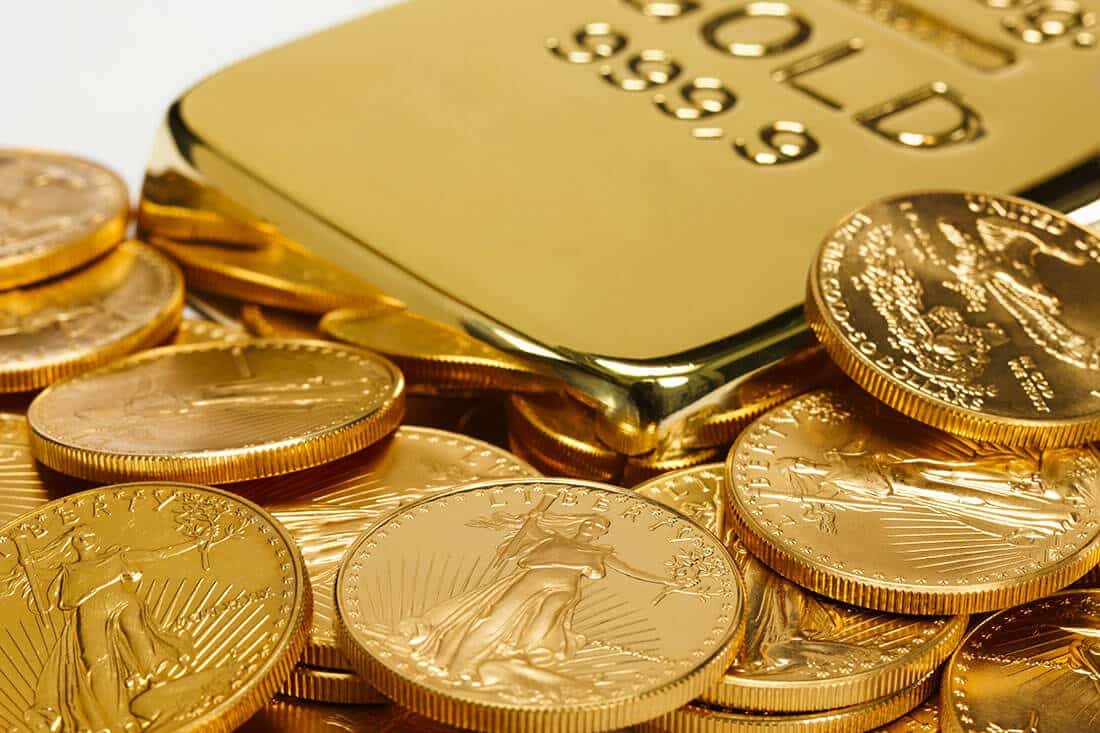
Gold bullion refers to gold in its raw form, typically in the shape of bars, coins, or rounds. Unlike gold jewelry, gold bullion is valued mainly for its weight and purity. The most common forms of gold bullion are gold bars, which come in a variety of weights, and gold coins, such as the American Gold Eagle or the Canadian Maple Leaf.
How is Gold Bullion Valued?
The value of gold bullion is simpler to calculate than gold jewelry, as it is generally based on:
- Weight: Bullion is valued based on how much it weighs, typically measured in troy ounces.
- Purity: The purity of gold in bullion is usually very high, often 99.9% or more, which means it’s easy to determine its gold content.
- Market Price of Gold: The value of your bullion fluctuates according to the current market price of gold, which changes daily. This is the most significant factor in determining the value of gold bullion.
Gold bullion is bought and sold on the market, and the price you’ll receive is directly linked to the live spot price of gold, minus a small fee for processing or dealing.
Key Differences Between Selling Gold Jewelry and Bullion
While both gold jewelry and bullion are made of gold, there are some key differences in how they are valued and the selling process:
1. Value Calculation
- Gold Jewelry: As mentioned, the value of gold jewelry depends on more than just the weight and purity of the gold. If it’s a designer piece, vintage, or in excellent condition, it could be worth more due to its craftsmanship or design. However, broken or outdated jewelry may only be valued for its gold content.
- Gold Bullion: Gold bullion is generally valued at a much higher percentage of the current gold market price because it is pure gold (or close to it) and does not have the added costs of craftsmanship. There are no variables like design or gemstones to factor in.
2. Selling Process
- Gold Jewelry: Selling gold jewelry can sometimes be a little more involved. If you’re selling a piece with intricate designs, diamonds, or other stones, buyers may first assess the value of the gold and then the gems or craftsmanship. Jewelry can also be easier to sell to private buyers or in consignment shops, although these transactions might not always offer the best price.
- Gold Bullion: Selling gold bullion is more straightforward. Since it is valued primarily for its weight and purity, there’s no need to worry about how the item is designed or if it’s in good condition. Most buyers will offer a price close to the spot price of gold, plus a small fee for handling. It’s a fast and efficient process.
3. Liquidity
- Gold Jewelry: Jewelry is often more difficult to sell quickly because it requires finding the right buyer. Some buyers may only be interested in the gold content, while others may also value the craftsmanship or brand. If you have high-quality, designer jewelry, you may be able to sell it for more, but it could take longer to find a buyer.
- Gold Bullion: Bullion is easier to liquidate because it is sold based on weight and purity, and its market is well-established. You can sell it to any dealer who deals in bullion, and you’re likely to get close to the current spot price. This makes bullion a more liquid asset compared to gold jewelry.
4. Market Prices
- Gold Jewelry: The market price for gold jewelry is usually lower than for gold bullion due to the added cost of the craftsmanship. Jewelry sellers typically factor in additional overhead costs and margin for profit.
- Gold Bullion: Gold bullion is traded based on the live spot price of gold, which reflects global market trends. This means that if the price of gold rises, the value of your bullion rises accordingly. Bullion dealers generally offer prices closer to the spot price than jewelry buyers.
Which One Should You Sell?
Deciding whether to sell gold jewelry or gold bullion depends on your needs and the type of gold you have. If you’re looking to quickly sell for cash, gold bullion might be the better option because it’s more straightforward to evaluate and sell. If you have gold jewelry that has sentimental or collector value, you may be able to get more money for it, but the process could take longer and require more research to find the right buyer.
At Tyler Gold & Bullion, we buy both gold jewelry and gold bullion and offer a transparent, fair evaluation process. Whether you have gold coins, a collection of rings, or a single bracelet, we ensure you receive a competitive offer.
FAQs About Selling Gold Jewelry vs. Bullion in Tyler, TX
What’s the difference between selling gold jewelry and gold bullion?
Gold jewelry is valued based on weight, purity, craftsmanship, and condition, while gold bullion is valued primarily based on weight, purity, and the current market price of gold.
Can I sell broken gold jewelry?
Yes, we buy broken or outdated gold jewelry. The value is based on the weight and purity of the gold.
How do you determine the value of my gold jewelry?
We evaluate gold jewelry by assessing its karat (purity), weight, and craftsmanship. Designer or vintage pieces may be valued higher.
How quickly can I sell my gold bullion?
Selling gold bullion is quick and easy. After a short evaluation, we make an offer based on the current market price, and you can receive cash immediately.
Do I need to make an appointment to sell my gold?
Appointments are not necessary, but they’re recommended for larger collections. You can also walk in and get an immediate evaluation.
Ready to sell your gold jewelry or bullion? Visit Tyler Gold & Bullion for a transparent, fair, and fast evaluation. Call us at 903-522-4149 to get started!