
 2301 S Broadway Ave A6 Tyler, TX 75701


Gold and Silver Coin Buyers in Tyler: What to Expect During a Professional Appraisal
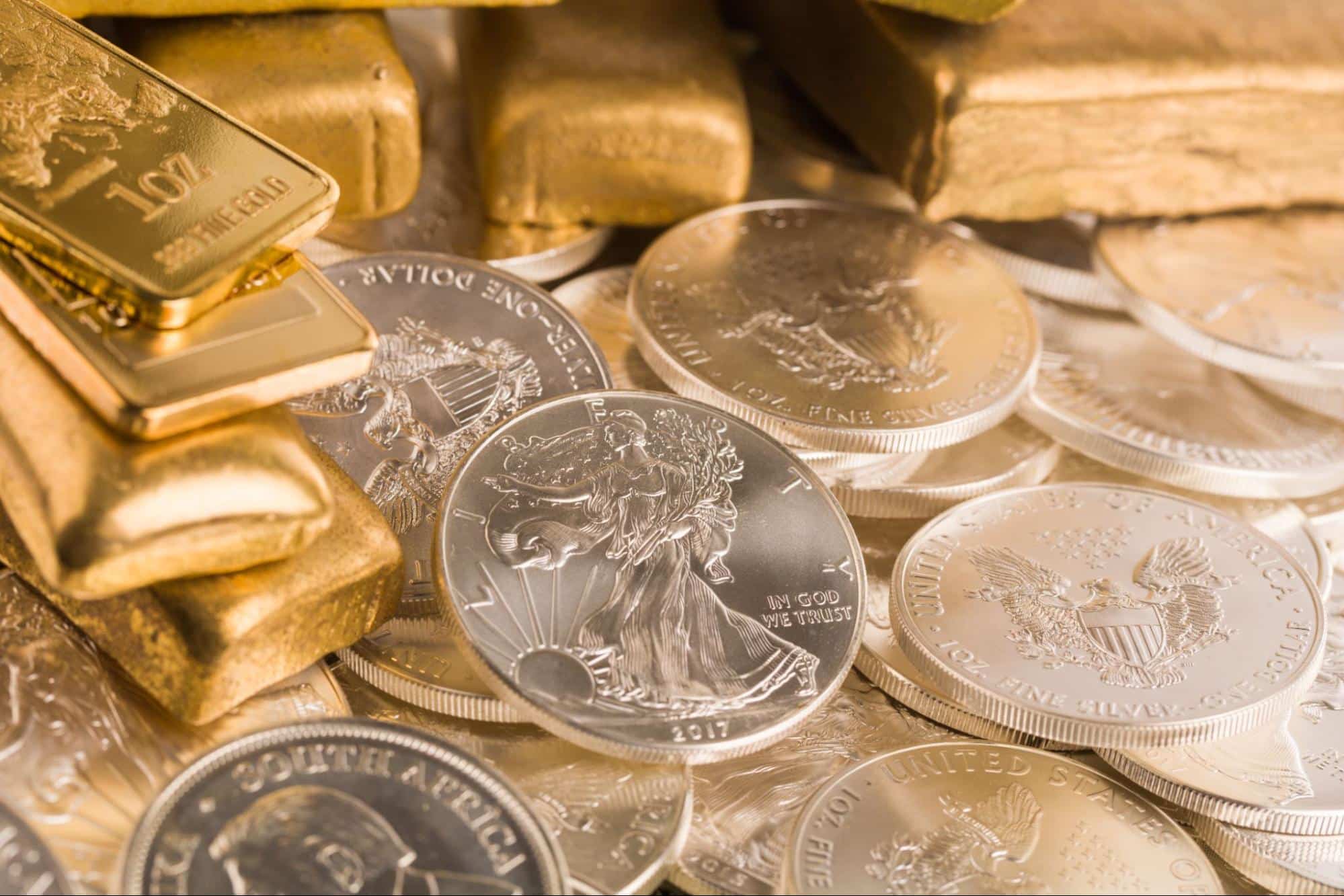
If you have a box of old coins at home, you are not alone. Many people in Tyler, TX inherit coin collections from parents or grandparents, pick up silver coins over the years, or hold onto gold and silver bullion as a long-term asset. At some point, curiosity kicks in. You start wondering what you actually have, whether anything stands out, and what the appraisal process looks like if you decide to bring those coins to a professional buyer.
That first visit should not feel confusing or intimidating. A good appraisal is not just about getting a number. It is about learning what is in front of you, understanding what affects the evaluation, and having a clear picture of your options.
At Tyler Gold & Bullion, we work with people who bring in everything from a few loose silver coins to carefully stored gold bullion and partial collections passed down through the family. Some are ready to sell. Others simply want answers. In either case, the goal stays the same: provide a clear, honest, and professional appraisal experience.
Why a Professional Coin Appraisal Matters
Coins can be tricky. Two coins that look almost identical may not carry the same appeal during appraisal. The year, mint mark, condition, metal content, and demand all matter. That is why online guesswork only gets you so far.
A professional appraisal gives you the chance to put the coins in front of someone who handles gold and silver every day. Instead of relying on photos or broad online estimates, you get an in-person evaluation based on what you actually own.
That matters for a few reasons.
First, it helps you avoid misidentifying coins. Many sellers come in thinking they have one type of coin, only to learn the collection includes something else entirely.
Second, it gives you clarity. You leave with a better understanding of whether your coins are mostly bullion, mostly older circulated pieces, or a mix of both.
Third, it helps you decide with confidence. Whether you plan to sell now or later, it helps to know what you are working with.
The Types of Coins People Bring In
Coin appraisals in Tyler often involve a wide range of items. Some people bring in a small group of coins from a drawer at home. Others arrive with albums, tubes, envelopes, or inherited boxes that have not been opened in years.
Common items include:
- Gold bullion coins
- Silver bullion coins
- Pre-1965 silver dimes, quarters, and half dollars
- Morgan and Peace dollars
- Older U.S. coins
- Foreign gold and silver coins
- Certified coins in protective holders
- Proof sets and commemorative coins
Not every collection looks organized, and that is perfectly normal. You do not need to sort everything in advance. A professional buyer can help separate and identify the pieces during the appraisal.
What Happens When You Arrive for the Appraisal
A professional coin appraisal should feel straightforward from the start. You bring your coins in, sit down with a buyer, and begin reviewing what you have.
The first part of the process usually starts with a quick look at the overall collection. This helps the buyer understand what types of coins are present and how to approach the appraisal. If the collection includes a mix of bullion, circulated coins, and collectible pieces, the buyer will usually separate those groups first.
This first step matters because different types of coins get reviewed differently. Bullion coins often center more on metal content and authenticity. Older collectible coins may require closer attention to date, mint mark, and condition.
Sorting the Collection Into Clear Categories
Once the coins are on the counter, the collection usually gets organized into groups. This part of the process helps you and the buyer see the collection more clearly.
Coins may be grouped by:
- Gold vs silver
- Bullion vs collectible coins
- U.S. coins vs foreign coins
- Certified vs non-certified coins
- Loose coins vs coins in albums or holders
This step often brings a lot of clarity to sellers. What once felt like a random mix of coins starts to make more sense once it is laid out and categorized.
Checking Authenticity
Authenticity is one of the most important parts of any appraisal. A professional buyer does not rely on appearance alone. They use a combination of experience, tools, and basic testing methods to confirm what the coin is made of and whether it matches expectations.
This may include:
- Weight checks
- Size and diameter checks
- Magnet checks when appropriate
- Visual inspection of design details
- Metal testing with non-destructive tools
For coins already certified by grading services such as PCGS or NGC, the holder itself adds useful context. Buyers still examine the coin and holder, but the certification can help support the evaluation.
For non-certified coins, the buyer takes a closer look at the coin’s details to make sure it appears consistent with its type, age, and metal content.
How Gold and Silver Content Affects the Appraisal
Many coins carry value because of the metal they contain. Gold and silver bullion coins usually fall into this category, but older U.S. coins can also include silver content that matters during the appraisal.
For example, pre-1965 U.S. dimes, quarters, and half dollars often contain silver. Sellers are sometimes surprised to learn that everyday-looking coins from old collections may still deserve attention for that reason.
When reviewing metal content, the buyer looks at:
- The type of coin
- The expected metal composition
- The actual weight and size
- Signs that the coin matches its expected characteristics
This step helps separate coins that are primarily bullion-based from coins that may carry more of a collector angle.
Why Condition Still Matters
Even when coins contain gold or silver, condition can still shape the appraisal experience. Coins with clearer detail, less wear, and stronger eye appeal often attract more attention during review. That does not mean worn coins do not matter. Many older coins still deserve careful evaluation even when they show age and circulation.
A professional buyer will look at the condition in a practical way. They are not expecting you to know grading terms or assign your own rating. Their job is to examine the coin and explain what stands out.
One important note here: do not clean your coins before bringing them in. Cleaning can change the surface and may hurt the coin’s appeal. It is always better to let the buyer see the coin in its current state.
The Difference Between Bullion and Collectible Coins During Appraisal
One reason coin appraisals can feel confusing is that not all coins get reviewed the same way. A gold bullion coin and an older collectible silver dollar may both be valuable, but they do not get approached in the same way.
Bullion coins often center around:
- Authenticity
- Metal content
- Weight
- General condition
Collectible coins often bring in additional factors such as:
- Date
- Mint mark
- Historical interest
- Eye appeal
- Collector demand
A good buyer explains this difference in simple terms so you understand why some coins get more detailed attention than others.
What If the Collection Is Inherited or Incomplete?
This is one of the most common situations in Tyler. Someone inherits coins from a family member and is not sure what they have. The collection may be incomplete, loosely stored, or mixed with non-coin items.
That is normal.
A professional appraisal does not require everything to be organized or complete. The buyer works with what is there. Inherited collections often include a mix of silver coins, bullion, foreign pieces, and items that may not be coins at all.
The goal is to sort through the collection carefully and help you understand what belongs in which category.
What You Should Bring With You
You do not need much to get started. Bring the coins you want reviewed and any related items that came with them.
Helpful things to bring include:
- Original coin boxes or tubes
- Certificates of authenticity
- Receipts or older paperwork
- Coin albums or folders
- Any notes left by a previous owner
If you do not have any of that, do not worry. The coins themselves are the main focus.
How Long the Appraisal Usually Takes
A small group of coins may only take a short visit. Larger or more mixed collections may take longer. The time depends on the number of coins, the variety in the group, and whether the collection includes pieces that need closer attention.
The important part is not rushing the process. A good appraisal should feel thorough enough to give you confidence in what you are hearing.
What Sellers Appreciate About Local Appraisals
Working with a local coin buyer in Tyler gives you a few clear advantages.
You can ask questions in real time. You can see the process happen in front of you. You do not have to ship anything away and wait for answers. You get to speak with someone face-to-face and understand how they are viewing the collection.
For many people, that makes the whole experience less stressful.
What to Expect After the Appraisal
After the buyer finishes reviewing the collection, they explain what they found. This usually includes a breakdown of the types of coins present, what stands out, and how the collection fits together.
If you want to sell, you can talk through that next step. If you are still deciding, you leave with more knowledge than you had when you walked in. That is what a good appraisal should do. It should give you useful answers, not just a quick number.
FAQs About Coin Appraisals in Tyler, TX
Do I need to organize my coins before bringing them in?
No. You can bring them in as they are. A professional buyer can sort and identify them during the appraisal.
Can older everyday coins still matter during an appraisal?
Yes. Some older U.S. coins contain silver, and others may deserve attention for their date or type.
Should I clean my coins before the appraisal?
No. It is best to leave coins in their current condition. Cleaning can affect their appearance.
Can you appraise both bullion coins and collectible coins in the same visit?
Yes. Many collections include both, and a professional appraisal can review them together.
What if I inherited coins and do not know what any of them are?
That is very common. A local buyer can help identify and sort inherited collections step by step.
If you have gold or silver coins and want a clear, professional appraisal in Tyler, TX, visit Tyler Gold & Bullion or call 903-522-4149 to speak with our team today.