How Gold, Silver, and Collectible Coins Are Valuated
Selling gold, silver, or collectible coins can be an excellent way to get cash quickly. However, understanding how these items are valued before you sell them can make all the difference. Whether you are selling gold jewelry, silver bullion, or rare coins, the value of your items is determined by various factors that you should know.
At Tyler Gold & Bullion, we aim to make the selling process as transparent and straightforward as possible. This guide will walk you through the key elements involved in valuing gold, silver, and collectible coins so you can make an informed decision when you decide to sell.
Valuation of Gold: How Pure Is Your Gold?
The first step in valuing any piece of gold is determining its purity. The purity of gold is measured in karats (K) or fineness. Pure gold is rated at 24K or 999.9 fine, meaning it is 99.9% pure. However, most gold you come across is alloyed with other metals, such as copper or silver, to make it more durable.
For example:
- 18K gold is 75% pure gold, with 25% made up of other metals.
- 14K gold is 58.5% pure, with the rest made of alloys.
The more pure the gold, the more valuable it is. When you bring your gold in for an appraisal at Tyler Gold & Bullion, we use advanced testing methods like X-ray fluorescence (XRF) to quickly and accurately determine the purity of your gold.
Gold Jewelry vs. Gold Bullion: How the Value Differs
When valuing gold jewelry, we don’t just focus on the purity. We also consider:
- Weight: Heavier pieces naturally contain more gold, so they are worth more.
- Craftsmanship: High-quality craftsmanship or designer jewelry can sometimes increase the value of your piece, though it’s typically valued for the gold content first.
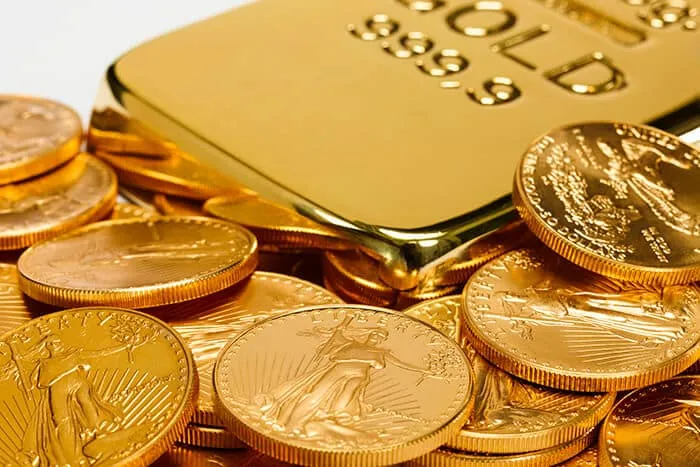
Gold bullion, such as coins and bars, is easier to value because its purity and weight are usually standardized, so the primary factor is the current market price of gold.
Silver Valuation: Understanding Silver’s Worth
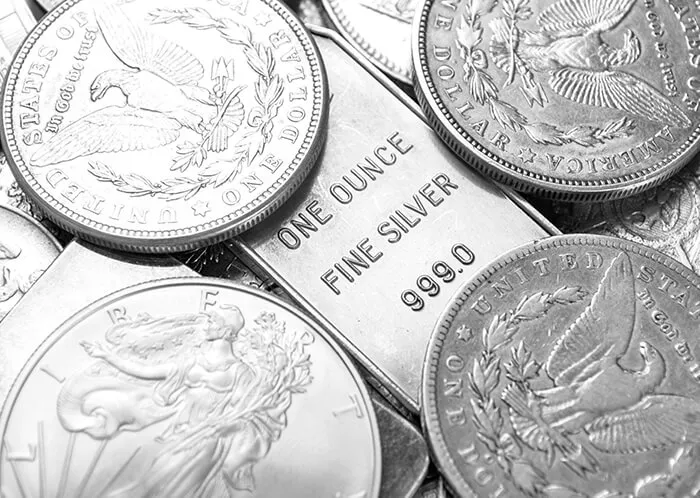
Similar to gold, silver is valued based on purity and weight. The purity of silver is typically measured in fineness (e.g., 999 or 925), which represents how many parts per thousand are pure silver.
- 999 silver is pure silver.
- 925 silver is sterling silver, which is 92.5% pure silver, often alloyed with copper to add strength.
The Role of Silver Market Prices
Like gold, the price of silver is constantly changing based on market conditions. The value of your silver is directly linked to the current spot price of silver. When you bring your silver to Tyler Gold & Bullion, we assess the weight of the silver in your item and then apply the current market value to determine the offer. For instance, a silver coin or bar with a high weight and purity is worth much more than a small silver item.
Collectible Coins: More Than Just Metal Content
While the value of gold and silver is typically based on weight and purity, collectible coins are a different story. Their value isn’t just about the metal they contain but also about their rarity, age, condition, and historical significance.
Some of the most famous coins people sell are American Gold Eagles, Canadian Maple Leafs, and American Silver Eagles, but older and rarer coins like pre-1933 U.S. gold coins, Ancient Roman coins, or limited-edition mints can be worth significantly more due to their collectability.
The Factors That Influence a Coin’s Value
- Rarity: The rarer the coin, the higher its potential value. Limited production coins or those from closed mints can fetch more than a similar coin made in large quantities.
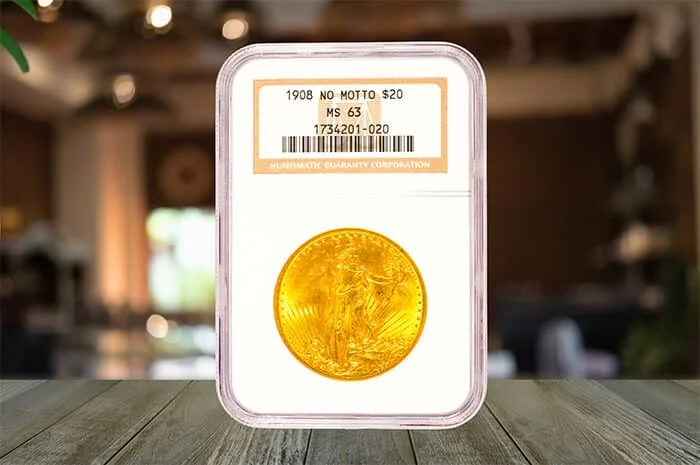
- Condition (Grade): Coins are graded based on their condition. A coin in excellent condition, with no visible damage or wear, is worth more than a worn or damaged coin. Professional grading services like the Numismatic Guaranty Corporation (NGC) or Professional Coin Grading Service (PCGS) are used to ensure coins are accurately graded.
- Demand: Coins that are highly sought after by collectors tend to have a higher value. This demand fluctuates with market trends.
- Historical Significance: Some coins hold historical importance, making them valuable to collectors even if they don’t contain much gold or silver.
How We Use Market Trends to Value Precious Metals
When you bring your gold, silver, or collectible coins to Tyler Gold & Bullion, we don’t just rely on static charts to make an offer. We consider current market trends to offer the best possible value. For instance, if gold or silver prices have recently spiked, we’ll adjust our offers accordingly. Similarly, the demand for collectible coins and rare pieces also fluctuates based on market trends.
We monitor market reports, commodity prices, and collector interest to give you the best price at the time of your appraisal.
The Appraisal Process at Tyler Gold & Bullion
When you visit Tyler Gold & Bullion, here’s what to expect:
- Initial Consultation: We start by discussing your items and what you expect to get from the sale.
- Evaluation: Each item is carefully examined, tested for purity, and weighed.
- Price Determination: Based on weight, purity, market conditions, and factors like rarity or craftsmanship, we determine an offer.
- Offer and Decision: We’ll make an offer, and you can decide whether to accept it. If you do, payment is made immediately, usually in cash or bank transfer.
Throughout the process, we ensure that you understand exactly how we arrive at our offers. We’re here to answer any questions and make the process as transparent as possible.
Why It’s Important to Choose a Trusted Gold and Silver Buyer
When selling your precious metals or collectible coins, you want to ensure that you’re working with a trusted buyer. Not all gold and silver buyers are the same. You want a buyer who is:
- Licensed and Regulated: Tyler Gold & Bullion is fully licensed and certified to handle precious metals transactions in Tyler, TX. This means you can trust that we follow all industry standards and guidelines.
- Experienced and Knowledgeable: Our team has years of experience in the precious metals industry. We know how to spot rare coins, recognize the value of silver and gold, and stay up-to-date with market trends.
- Transparent: We offer clear explanations for how we arrive at our offers, ensuring that you fully understand the process and the value of your items.
By choosing a trusted buyer like Tyler Gold & Bullion, you can ensure that you get the best value for your gold, silver, or collectible coins.
Why Local Buyers Offer More Personalized Service
When selling precious metals, working with a local buyer often gives you a more personalized, transparent, and trustworthy experience. Local buyers like Tyler Gold & Bullion understand the value of building relationships with our clients. We take the time to explain the appraisal process, offer immediate payment, and give you the flexibility to walk away if the offer doesn’t meet your expectations.
FAQs About Valuing Gold, Silver, and Collectible Coins
How do I know if my gold or silver is genuine?
We test your gold and silver using advanced equipment to verify its purity, ensuring that only real precious metals are valued.
Are collectible coins always worth more than their melt value?
Not always. While many collectible coins are worth more due to their rarity and demand, others may be valued based on their metal content alone.
Can I sell my items if I don’t have any certificates or documentation?
Yes! While certificates can help, they are not necessary. We rely on our expertise and testing methods to determine the true value of your gold, silver, or coins.
How long does it take to get an appraisal?
The appraisal process typically takes 15-30 minutes, depending on the number of items and their complexity.
What factors affect the value of my silver coins?
The value of silver coins depends on their weight, purity, rarity, condition, and current demand from collectors.
Ready to find out the true value of your gold, silver, or collectible coins? Visit Tyler Gold & Bullion today for a fair, transparent appraisal. Call 903-522-4149 to schedule your visit.